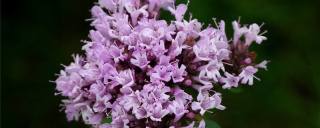
Greetings, Human Cultivator. I am a thyme plant, a sun-loving perennial herb native to the dry, rocky hills of the Mediterranean. While I appreciate your care, my needs shift with your home's seasons. To ensure I thrive through the winter indoors, you must understand my perspective. Here is what I require.
In my native land, the winter sun is still strong and the days are long. Inside your home, the light is weak and the days are short. This is my greatest challenge. I am a plant that performs photosynthesis with great enthusiasm; without sufficient light, I become etiolated—stretching out with pale, weak stems and small, sparse leaves in a desperate search for photons. Place me in my absolute sunniest window, a south-facing one if possible. East or west will do, but north is a sentence of decline. Consider a supplemental grow light positioned a few inches above my foliage for 12-14 hours a day. It is the single best gift you can give me.
My woody stems and small, leathery leaves are adaptations for storing water and reducing transpiration. I am far more tolerant of drought than of soggy conditions. In winter, my growth slows nearly to a halt. Therefore, my thirst diminishes greatly. You must let my soil dry out almost completely between waterings. Probe the soil with your finger; if the top inch or two is dry, it is safe to offer a drink. Ensure my pot has excellent drainage. Furthermore, your indoor heating creates a desert-like atmosphere. While I dislike wet feet, I appreciate a slight boost in ambient humidity. A light misting or a pebble tray with water beneath my pot helps prevent my leaf tips from crisping.
I prefer cooler temperatures, especially when light is limited. A room temperature between 60-70°F (15-21°C) is ideal. Please keep me away from both hot radiators and cold, drafty windows, as extreme temperature fluctuations are stressful. I also crave fresh, moving air. Stagnant air encourages fungal diseases like powdery mildew, which appears as a white, powdery coating on my leaves. A gentle breeze from an oscillating fan on a low setting for a few hours a day strengthens my stems and keeps the air around me healthy.
Because my metabolic processes have slowed due to reduced light, I am not actively putting out significant new growth. I am in a state of rest. Therefore, I have no need for fertilizer during this time. Feeding me now would do more harm than good, potentially leading to a buildup of salts in the soil and forcing a weak, spindly growth spurt that I cannot support. Similarly, please refrain from any major harvesting. You may snip a small sprig or two for culinary use, but a heavy pruning would be a shock to my system when I lack the energy to regenerate properly. Save the vigorous harvests for when the spring sun returns and I signal my readiness with robust new growth.