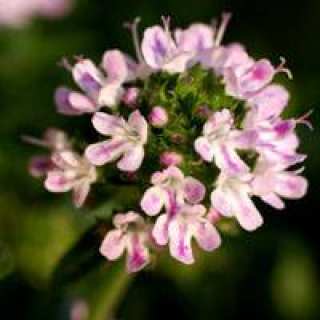
From my perspective as a thyme plant, the most critical issue is almost always beneath the surface. My roots despise being wet and cold. If I am not thriving, the first place to check is my soil. I require exceptionally sharp drainage. If water pools around my roots after you water me, I am slowly drowning, and root rot is likely setting in. The soil should be gritty, sandy, and lean—never rich, heavy, or clay-like. If I am planted in the ground, amending the soil with a generous amount of horticultural sand or fine gravel is essential. If I am in a container, it must have large drainage holes, and the potting mix should be specifically formulated for herbs or succulents, not standard multipurpose compost.
I am a child of the Mediterranean sun. To produce the essential oils that give me my vibrant flavor and scent, I need a tremendous amount of direct light—at least six to eight hours of full, unfiltered sunlight daily. If I am placed in a shady or even partly shady spot, I will become leggy as I stretch weakly towards the light. My stems will be sparse, my growth will be slow, and my leaves will be pale and lackluster. Furthermore, I need good air circulation around my foliage. Stagnant, humid air is an invitation for fungal diseases like powdery mildew, which will coat my leaves in a white powder and further inhibit my health. Please ensure I have plenty of space from other plants and am not in a completely still corner.
You might think that because I look frail, I need more food. This is a common and often fatal mistake. I thrive in poor, low-fertility soil. Rich soil or frequent fertilization, especially with high-nitrogen feeds, will force rapid, soft growth that is weak, floppy, and far more susceptible to pests and diseases. It also drastically dilutes my signature pungent aroma and taste. If you must feed me, a single, light application of a balanced organic fertilizer at the start of the growing season is more than enough. Additionally, I prefer a neutral to slightly alkaline soil pH. Highly acidic soil can lock up nutrients, making them unavailable to my roots even if they are present in the soil.
Sometimes, the issue is simply time. As a woody perennial, I can become woody and less productive in the center after three to four years. My growth may slow down, and I may not produce as many fresh, tender leaves. If environmental factors are perfect and I am still declining, it might be that I need rejuvenation. The best solution is to carefully dig me up, divide my root ball, and replant the healthiest-looking sections into fresh, well-draining soil. Alternatively, you can take cuttings from my healthy new growth in spring to propagate entirely new, young plants that will be far more vigorous.