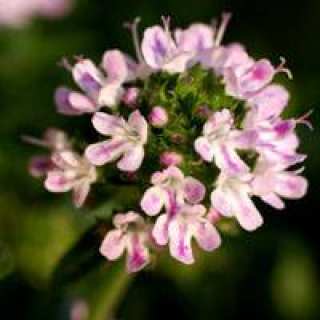
Thyme (*Thymus vulgaris*) is a perennial herb belonging to the Lamiaceae, or mint, family. It is a small, woody-based shrub native to the Mediterranean region but now cultivated worldwide for its culinary, aromatic, and ornamental value. The plant is characterized by its small, fragrant, gray-green leaves and tiny pink, purple, or white flowers. The primary active components that give thyme its distinctive scent and flavor are volatile oils, most notably thymol and carvacrol.
From a phytochemical perspective, the compounds that make thyme beneficial and flavorful are the same ones that pose a potential risk to pets. Thymol, the major constituent of thyme essential oil, is a potent compound. In the concentrated form of essential oil, thymol can be irritating and toxic. If a pet were to ingest a significant quantity of pure thyme essential oil, it could lead to gastrointestinal upset (such as vomiting and diarrhea) and, in more severe cases, affect the nervous system. However, it is crucial to distinguish between the highly concentrated essential oil and the fresh or dried herb itself.
The risk to cats and dogs from thyme plants is generally considered low to mild when referring to the plant material typically grown in a garden or used in cooking. A pet would need to consume a relatively large amount of the fresh plant to experience any adverse effects, which is unlikely due to the plant's strong aroma and flavor, which are natural deterrents. The dried culinary herb is even less of a concern due to its reduced mass and concentration. The significant danger lies in exposure to thyme essential oil, which is extremely concentrated and should never be administered to or applied near pets without direct veterinary guidance.
Many plants, including herbs like thyme, contain various compounds designed to deter herbivores. While not severely toxic, the essential oils in thyme can cause mild gastrointestinal irritation if ingested in sizable quantities. This is a common plant defense strategy. For a dog or cat, eating a small amount of the plant might result in an upset stomach, salivation, or vomiting—which is the body's natural way of expelling an irritant. This reaction typically resolves on its own without the need for medical intervention, provided the consumption was minimal.
While the thyme plant itself is not classified as highly toxic, prudent precautions are advisable. The most significant risk is from concentrated products like essential oil diffusers, topical treatments, or dietary supplements containing thyme oil. These should be kept securely out of reach of pets. If you are growing thyme, placing it in an area that is less accessible to your pets or training them to avoid garden plants can prevent any potential for gastrointestinal discomfort. Monitoring your pet after any plant ingestion is always a good practice.