From the perspective of the thyme plant itself, its captivating scent is not designed for human enjoyment but is a sophisticated survival tool honed by millions of years of evolution. The aromatic compounds that you find so pleasant are, for the plant, a potent chemical arsenal and a communication system. Every part of the plant, especially the tiny leaves, is a miniature factory producing these volatile organic compounds (VOCs) for several critical purposes.
The primary constituents of thyme's signature scent are powerful phytochemicals, mainly terpenes like thymol and carvacrol, along with other compounds such as linalool and pinene. These chemicals are synthesized and stored in microscopic glandular trichomes—tiny, hair-like structures on the surface of the leaves and stems. These trichomes act as both production facilities and storage tanks for the plant's defensive compounds. When you brush against the plant, you rupture these tiny structures, releasing a concentrated cloud of their aromatic contents, which is why the smell is so potent after touching it.
The strong scent serves as a highly effective defense strategy against herbivores, pests, and pathogens. For large mammals like deer or rabbits, the powerful, pungent taste and smell of thymol is unpalatable and acts as a deterrent, encouraging them to browse on less chemically defended plants. For insects and microbes, the story is more direct; thymol and carvacrol are potent antiseptics, antifungals, and antibacterials. They disrupt the cell membranes of fungal spores and harmful bacteria, protecting the plant from infections that could cause rot or disease. This chemical shield ensures the plant's leaves remain intact to perform essential photosynthesis.
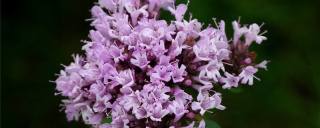
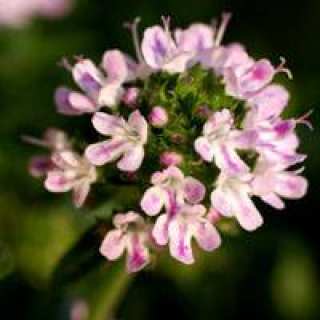
While the scent repels harmful organisms, it also functions as a beacon to attract beneficial ones, primarily pollinators. The tiny flowers of the thyme plant produce nectar and amplify the production of these aromatic compounds. For bees and other pollinating insects, the distinct aroma acts as a signal, guiding them to the source of pollen and nectar. By facilitating pollination, the plant ensures its genetic legacy continues through the production of seeds. This delicate balance of repelling threats while attracting allies is a key evolutionary adaptation for reproductive success.
Another less obvious reason for the strong scent is a phenomenon known as allelopathy. The volatile compounds, particularly when released from fallen leaves or washed into the soil by rain, can inhibit the germination and growth of competing plant species in the immediate vicinity. By creating a chemically hostile zone around itself, the thyme plant reduces competition for vital resources like water, nutrients, and sunlight, securing its own place in the ecosystem.