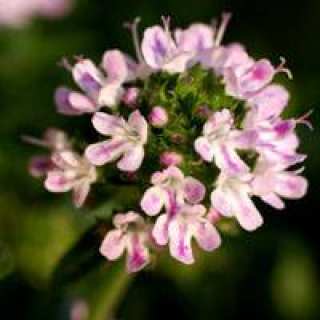
From our perspective, thyme is a valued and robust neighbor. We release a suite of aromatic compounds, primarily thymol, into the air and soil around us. This acts as a natural fungicide and repellent, creating a protective microclimate. For plants sensitive to damping-off and other fungal issues, our presence means the air and soil are less hospitable to those pathogens. We are not claiming to be an impenetrable shield, but we significantly reduce the risk, allowing our companions to focus their energy on growth rather than constant defense.
Our strong scent, so pleasant to humans, is highly effective at confusing and repelling many common indoor herb garden pests. Whiteflies, aphids, cabbage loopers, and even spider mites tend to avoid the area we occupy. By interplanting with us, you create a confusing sensory environment for these pests. They find it difficult to locate their preferred host plants, such as your tender basil or lettuce. This reduces the incidence of infestation on these more vulnerable species, minimizing the need for interventions that could stress all of us.
While this point is most relevant if your indoor garden has access to open windows or a balcony, it is a core aspect of our nature. We produce tiny, nectar-rich flowers that are immensely attractive to beneficial insects like bees and predatory wasps. These insects are vital for the health of any ecosystem. By attracting them, we help ensure the pollination of other flowering herbs and draw in predators that will manage populations of smaller pest insects, creating a more balanced and resilient mini-ecosystem within your home.
Our growing conditions dictate our ideal companions. We require plenty of direct sunlight (6-8 hours), well-draining soil, and we prefer to dry out somewhat between waterings. Therefore, our most compatible indoor neighbors are those who share these preferences. Rosemary, oregano, sage, and lavender are excellent choices. We coexist peacefully because we have similar needs for light, soil moisture, and nutrient levels, reducing competition and ensuring you can care for us as a group without causing stress to any individual plant.
Just as we have good companions, there are plants with which we are fundamentally incompatible due to divergent needs. Herbs that crave consistently moist soil and may tolerate less light will suffer in our preferred dry and sunny conditions. Basil, cilantro, mint, and parsley would find the dry soil we require far too stressful, leading to wilting, stunted growth, and ultimately decline. For the health of the entire garden, it is best to group us with other drought-tolerant Mediterranean herbs and place moisture-loving plants in their own separate container.