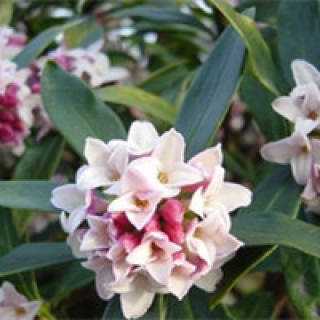
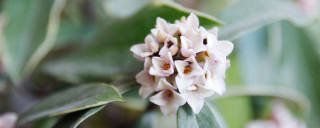
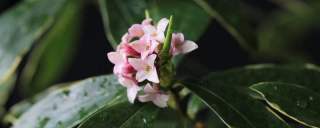
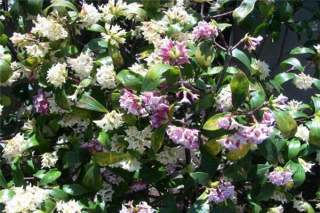
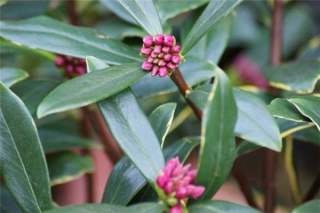
Before selecting companion plants, one must first understand the Daphne shrub itself. Most garden Daphnes, such as *Daphne odora* or *Daphne x burkwoodii*, are prized for their intensely fragrant flowers and often variegated foliage. However, they are also known for being somewhat finicky. They demand perfect drainage, preferring moist but never waterlogged soil, and they deeply resent having their roots disturbed. Therefore, the ideal companions will be plants that thrive in similar well-draining, slightly acidic to neutral soil conditions and that will not require frequent digging or division near the Daphne's sensitive root zone.
The foundation of a beautiful landscape is often built on contrasting foliage. Daphne's leaves are typically a deep, glossy green, sometimes with creamy margins. To highlight this, consider plants with differing leaf textures and colors. The soft, feathery fronds of Japanese Painted Ferns (*Athyrium niponicum*) provide a delicate textural contrast. For a bolder statement, the large, heart-shaped leaves of a *Hosta* (choose a variety tolerant of the light conditions) create a dramatic juxtaposition in both form and texture. Silver-leafed companions, like *Lamium* or some *Heuchera* cultivars, can also make the green of the Daphne pop while brightening shady areas.
Daphne typically blooms in late winter to early spring, filling the air with its signature scent. To extend the floral interest in the garden bed, select plants that bloom before, during, or after the Daphne. Early spring bulbs are perfect partners. Snowdrops (*Galanthus*) and delicate *Cyclamen coum* can bloom alongside it, while later daffodils can take over the show. For a summer bloom, consider shade-tolerant *Astilbe* with its fluffy plumes or the elegant bell-shaped flowers of *Digitalis* (Foxglove), which will rise above the Daphne's mounding form without crowding it.
Since many Daphnes are evergreen or semi-evergreen, pairing them with other evergreens ensures the landscape bed never looks barren. Low-growing, shallow-rooted evergreen groundcovers are an excellent choice. *Pachysandra terminalis* forms a dense, green carpet that suppresses weeds and provides a neat, uniform underplanting. For a more refined look, the layered branches of a dwarf Japanese Maple (*Acer palmatum* dissectum) can provide a beautiful architectural element and dappled shade, which most Daphnes appreciate.
The most critical rule is to avoid aggressive plants. Do not plant fast-spreading groundcovers like Ivy or Goutweed (*Aegopodium podagraria*) nearby, as they will aggressively compete for water and nutrients and likely overwhelm the Daphne. Similarly, avoid large, thirsty shrubs like Rhododendrons, which might outcompete the Daphne at its roots. Instead, opt for shallow-rooted, polite plants that are content without constant division. Most Daphnes prefer partial shade, especially protection from hot afternoon sun, so ensure all companion plants share this light requirement for a harmonious and healthy planting scheme.