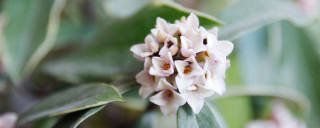
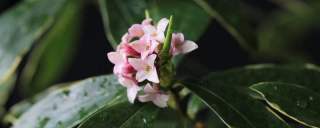
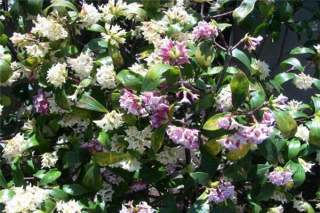
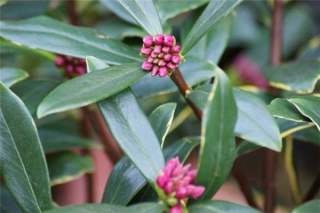
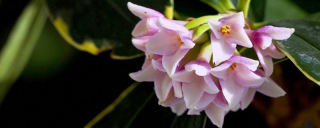
Greetings, human gardener. I am a Daphne, a plant known for my intoxicating fragrance and sometimes finicky nature. You wish to cultivate me in a pot? This can be a splendid arrangement, offering you control over my environment and bringing my scent closer to your living spaces. To thrive, I require your attentive care. Please listen to my needs.
My roots are my life, and they despise being waterlogged. The container you choose must have excellent drainage holes. Do not skimp on this! A pot slightly larger than my current root ball is ideal; too vast a space holds damp soil that can rot my sensitive roots. As for my soil, I demand something very special. A standard potting mix is inadequate. I require a sharply draining, yet moisture-retentive, slightly acidic medium. A blend of a high-quality potting soil, generous amounts of perlite or pumice for aeration, and some peat moss or leaf mold for acidity and moisture control is perfect. This gives my roots the oxygen they crave while keeping them just moist enough.
I enjoy the light but do not wish to bake in the full, blazing sun all day. Please place me in a spot with bright, filtered light or morning sun with afternoon shade. This mimics my natural woodland edge habitat. Regarding temperature, I prefer to be cool. My roots especially dislike heat. A pot left in the hot summer sun will cook my root system, which is a death sentence. Shelter me from harsh winds and provide shade for my container during the hottest part of the year. A north or east-facing location is often ideal.
Watering is our most delicate dance. My goal is consistent, even moisture—never soggy, never bone dry. You must check the soil with your finger regularly. Water me deeply when the top inch of soil feels dry, allowing the excess to flow freely from the drainage holes. Never let me sit in a saucer of water. In terms of food, I am not a heavy feeder. A light application of a slow-release, acid-forming fertilizer in early spring after my blooms fade is sufficient. Over-fertilizing, especially with high nitrogen formulas, will encourage weak leafy growth at the expense of my beautiful flowers and can harm my roots.
I do not like to have my roots disturbed frequently. You should only repot me every 2-3 years, and even then, only move me to a pot one size larger. Be exceptionally gentle with my root ball during the process. Pruning should be done with a light touch and immediately after my spring flowering ceases. I set my flower buds for the next year on old wood, so a harsh late-season prune will remove next year’s fragrant display. Simply trim for shape and to remove any weak or dead branches.