Selecting the ideal Daphne for an American garden requires understanding the specific needs and growth habits of these exquisite but sometimes temperamental shrubs. From a botanical perspective, their appeal lies in their powerfully fragrant flowers, evergreen foliage, and compact form, but their sensitivity to soil and moisture conditions is a critical consideration.
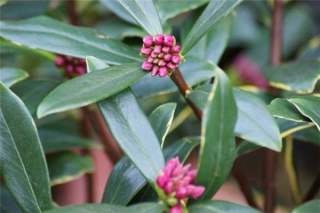
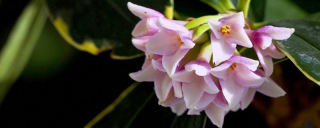
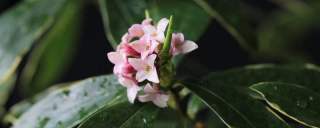
Arguably the most famous species, *Daphne odora* is prized for its incredibly potent fragrance that can perfume an entire garden in late winter to early spring. Botanically, it is a dense, mounded, broadleaf evergreen shrub, typically reaching 3-4 feet in height and width. Its leaves are glossy and lance-shaped with a creamy yellow margin in the popular ‘Aureomarginata’ cultivar. The key to its success is perfect drainage; it is highly susceptible to root rot in heavy, waterlogged soils. It thrives in partial shade and appreciates protection from harsh afternoon sun. It is best suited to USDA zones 7-9.
This hybrid group, a cross between *D. caucasica* and *D. cneorum*, offers some of the best garden performance. Plants like the popular ‘Carol Mackie’ cultivar are semi-evergreen, featuring variegated leaves with a gold edge and clusters of star-shaped, pale pink flowers in late spring. From a growth standpoint, they are more tolerant of a wider range of conditions than *D. odora*, though they still demand excellent drainage. They form neat, rounded mounds 3-4 feet tall and are generally considered more cold-hardy, thriving in USDA zones 4-8.
For a low-growing, spreading groundcover, *Daphne cneorum* is an excellent choice. This prostrate, evergreen shrub forms a mat only 6-12 inches high but can spread up to 3 feet. In mid to late spring, it is covered in terminal clusters of intensely fragrant, deep pink flowers. Its botanical requirement is sharply draining, slightly gritty soil, making it perfect for rock gardens, alpine troughs, or the top of a wall. It is more tolerant of neutral soils than other varieties but will not tolerate wet feet. It is hardy in USDA zones 5-7.
This hybrid is a top recommendation for its remarkably long blooming period. Botanically, it is an evergreen to semi-evergreen shrub that flowers in flushes from spring straight through to fall. Its fragrance is strong and sweet. Cultivars like ‘Blafra’ (Eternal Fragrance) are more sun-tolerant and adaptable than many other daphnes, though they still require well-drained soil. It exhibits a rounded growth habit to about 3-4 feet tall and wide and is valued for its repeat-blooming nature, a trait not common in the genus. It is hardy in USDA zones 5-9.
Regardless of the variety, all Daphnes share core botanical needs. The single most important factor is perfect drainage. They require a neutral to slightly alkaline, loamy soil that never remains soggy. Amending heavy clay soil with grit, sand, and organic matter is essential. They prefer a site with morning sun and afternoon shade or dappled light all day. Once established, they deeply resent being transplanted. The application of a thick, loose organic mulch helps keep roots cool and moist, but it must be kept away from the crown to prevent rot.