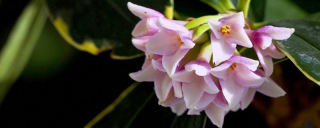
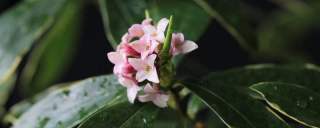
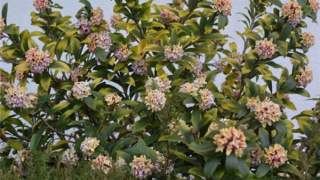
From a botanical perspective, the question of whether a Daphne plant can survive winter is fundamentally a question of its specific genetic hardiness and the environmental conditions it faces. The genus Daphne encompasses numerous species and cultivars, each with a different evolutionary adaptation to cold. For instance, Daphne mezereum (February Daphne) is exceptionally cold-hardy, tolerating temperatures down to USDA Zone 4 (-30°F to -25°F), while the popular Daphne odora (Winter Daphne) is far more tender, only hardy to Zone 7 (0°F to 10°F). A plant's hardiness zone rating indicates the average annual extreme minimum temperature it can be expected to endure while maintaining cellular integrity. Surviving winter is not merely about not dying; it is about avoiding lethal intracellular freezing, which ruptures cell membranes and causes irreversible damage.
For a Daphne, winter is a period of significant physiological stress. As temperatures drop, the plant enters a state of dormancy, ceasing active growth to conserve energy. Its primary challenge is dehydration. Frozen soil water becomes inaccessible to the roots, while cold, dry winds accelerate moisture loss from stems and any remaining leaves (desiccation). Furthermore, rapid temperature fluctuations can cause damage. A warm winter day can de-acclimate the plant slightly, making it vulnerable to a sudden, deep freeze that follows. This is often more damaging than a consistently cold period. The plant's own biochemistry also changes; it increases sugar concentration in its cells, which acts as a natural antifreeze, lowering the point at which ice crystals form inside the cells.
A Daphne's ability to leverage its innate hardiness is entirely dependent on its growing conditions. Soil is paramount. All Daphnes require exceptionally well-drained soil. Soggy, waterlogged winter soil is a death sentence, as it leads to root rot, a fungal condition that is the most common cause of Daphne failure. The planting location is equally critical. A spot with protection from harsh, desiccating winter winds—such as on the east or north side of a building or a windbreak—dramatically increases its chances. Morning sun and afternoon shade are ideal, as they prevent the plant from warming too quickly on cold mornings, which can damage thawing tissues.
For a Daphne growing in a zone at the edge of its hardiness or in an exposed location, human intervention can bridge the gap between the plant's limits and the winter's severity. Applying a thick layer (3-4 inches) of organic mulch like shredded bark or leaves around the base (but not touching the stem) insulates the root zone, moderates soil temperature, and prevents frost heaving. For particularly tender varieties like Daphne odora, a physical barrier such as a burlap screen or frost cloth can shield the foliage from wind and sunscald. It is crucial that this covering is breathable and allows for some air circulation to prevent disease. Container-grown Daphnes are most vulnerable, as their roots are exposed to ambient air temperatures. They must be moved to a protected, unheated garage or shed, or the pot must be heavily insulated.