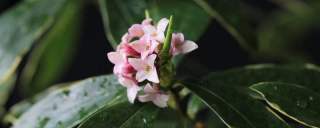
Daphne plants (Daphne spp.) are renowned for their intoxicating fragrance and beautiful blooms, but they are also infamous for their sudden and perplexing demise. From a plant's physiological perspective, this sudden death is rarely caused by a single factor but is rather the culmination of several stressors that overwhelm its systems. Understanding these reasons is key to prevention.
For a Daphne, its roots are its lifeline, and they are particularly sensitive. The primary cause of sudden death is often root rot, caused by various soil-borne fungi like Phytophthora and Pythium. These pathogens thrive in poorly draining, waterlogged soil. When the roots sit in saturated conditions, they are starved of oxygen and begin to suffocate and die. The rotting tissue provides the perfect environment for these fungi to attack, quickly moving through the root system. From the plant's view, this is a rapid shutdown of its water and nutrient uptake highway. The above-ground wilting and browning you see is a direct result of the roots being unable to perform their function, leading to a systemic collapse that can appear shockingly sudden.
Daphnes are creatures of habit and despise change. Any significant alteration in their environment creates immense stress, making them vulnerable to secondary issues. Planting too deeply is a common mistake; it buries the root crown, encouraging rot and preventing necessary gas exchange. Similarly, physical damage to the shallow, delicate roots during gardening activities can sever its critical connections to the soil. Furthermore, Daphnes have very specific nutritional needs and a low tolerance for extreme soil pH. A rapid shift in pH or an over-application of fertilizer can cause root burn or lock up essential nutrients, effectively starving the plant. From the plant's perspective, these stressors are constant attacks that weaken its defenses, leaving it unable to fight off diseases or recover from minor injuries.
Preventing sudden death means proactively eliminating the stressors that lead to it. The single most important action is ensuring perfect drainage. This means planting your Daphne in a raised bed or mound and amending heavy clay soil with generous amounts of grit, perlite, and organic matter to create a loose, well-aerated growing medium. Always plant so the root ball is level with or slightly above the surrounding soil surface. Water deeply but infrequently, allowing the top few inches of soil to dry out between waterings. This encourages deep root growth and prevents waterlogging. Avoid disturbing the roots by never cultivating the soil around the base of the plant and choosing its permanent location carefully to avoid future transplantation.
Consistency is paramount for Daphne health. Select a planting site with dappled sunlight or light shade and protection from harsh afternoon sun and strong winds. Apply a thin, loose layer of organic mulch to keep roots cool and moist, but ensure it is kept away from the main stem to prevent rot. Refrain from heavy feeding; a light application of a balanced, slow-release fertilizer in early spring is usually sufficient. Most importantly, test your soil pH beforehand and aim to maintain it slightly acidic to neutral (around 6.0 to 7.0), amending it gradually if necessary, as sudden pH shifts are highly detrimental.