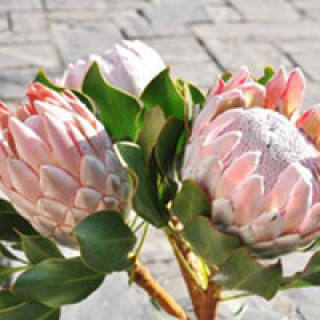
To understand our feeding schedule, you must first understand where we come from. We Proteas are natives of South Africa, thriving in ancient, weathered, and incredibly nutrient-poor soils. Our root systems are highly specialized and efficient, designed to extract the minimal nutrients available in these harsh conditions. Consequently, we are adapted to low levels of phosphorus (P) in particular. An excess of phosphorus, common in standard, all-purpose fertilizers, is highly toxic to us and will cause root burn, stunted growth, and ultimately death. Our nutritional needs are unique, and feeding us like a common garden plant is one of the quickest ways to harm us.
During our first year in your garden, our primary focus is not on top growth or spectacular flowers, but on establishing a strong, extensive root system. This root system is our lifeline. For this initial establishment period, we require very little supplemental feeding. In fact, the most important "food" you can provide is the right soil medium from the start. A sharply draining, acidic, sandy, and gravelly mix that mimics our native habitat is paramount. If you have planted us correctly, the slow-release, low-phosphorus fertilizer incorporated into the planting hole at the time of installation will be sufficient to sustain us for our entire first year. Overfeeding now will do more harm than good.
Once we are well-established after the first year, our feeding requirements remain minimal. A general rule for mature Protea plants is to feed us sparingly, typically just once a year, at the very end of winter or the very beginning of spring. This timing is crucial as it provides a gentle nutrient boost to support the energy-intensive process of developing new growth and flower buds for the upcoming season. The fertilizer must be specifically formulated for acid-loving, phosphorus-sensitive plants. Look for labels such as "Protea Food," "Australian Native Plant Food," or "Rhododendron & Azalea Food" and always ensure the phosphorus (P) number in the N-P-K ratio is very low, ideally 3 or less. A formula like 3-1-5 or similar is often ideal.
The application method is as important as the product itself. Always water the soil around our base thoroughly a day before you plan to fertilize. This protects our sensitive roots from potential shock. Scatter the recommended amount of fertilizer (always follow the package instructions, as overapplication is dangerous) lightly and evenly over the root zone, which extends to the drip line (the area directly under the outermost reaches of our branches). Be careful to keep the fertilizer away from our main stem. After application, water lightly again to help the granules begin to dissolve and move the nutrients into the top layer of soil where our feeder roots reside.
Pay close attention to our foliage, as it will tell you if our dietary needs are being met. The most common issue is overfeeding, signaled by brown, scorched-looking leaf tips and margins, particularly on older leaves. The entire plant may appear wilted or stunted. This is a sign of fertilizer burn, often from excess salts or phosphorus. Underfeeding is rare but possible in extremely poor soils. It may manifest as pale green or yellowish leaves (chlorosis) and significantly reduced flowering. However, it is always safer to err on the side of underfeeding than overfeeding. When in doubt, withhold the fertilizer and ensure our growing conditions—full sun and perfect drainage—are optimal.