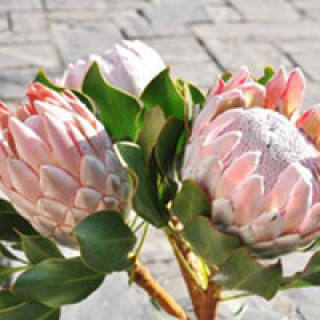
From my perspective as a Protea, sunlight is my primary source of energy. I am a child of the bright, open South African landscapes, and I crave intense, direct light for most of the day. If you have planted me in a location with too much shade or even dappled light for a significant portion of the day, my internal systems go into survival mode. The energy I harvest from the sun is diverted entirely to maintaining my basic leafy growth and root health. I simply do not have the excess energy reserves required to initiate and develop my large, complex flower heads. Without at least six to eight hours of direct, unfiltered sunlight, flowering is an impossible task for me.
My root system is highly specialized and extremely sensitive. I have evolved what are called proteoid roots—dense clusters of fine roots—to extract nutrients from the impoverished, rocky soils of my native habitat. The single greatest threat to my health in many US gardens is poor drainage. If I am sitting in heavy, clay-rich soil that remains wet and soggy, my delicate roots will quickly succumb to root rot. A suffocated, dying root system cannot uptake water or nutrients, leaving the entire plant, including any potential flower buds, starved and stressed. Even inconsistent watering—periods of drought followed by heavy saturation—can cause immense stress, shocking my system and causing me to abort flower buds.
I am not just a picky eater; I am adapted to a very specific diet. I require intensely acidic, well-draining soil with a pH between 5.0 and 6.0. If my roots are in neutral or, even worse, alkaline soil common in many parts of the US, I cannot access the nutrients I need, particularly phosphorus and iron. This leads to nutrient deficiencies that stunt my growth and prevent flowering. Furthermore, I am exceptionally sensitive to phosphorus. Standard fertilizers, especially those high in phosphorus or containing nitrates, are toxic to me. They burn my roots and disrupt my delicate relationship with the soil's mycorrhizal fungi, a partnership essential for my nutrient uptake. This chemical assault forces me into survival mode, halting all non-essential processes like blooming.
Patience is necessary. Depending on the species, I may not be mature enough to flower. I need several years to establish my extensive root system before I can support the massive energy expenditure of a bloom. Additionally, your timing and technique when pruning me are critical. My flower buds form on the old wood of growth that is at least one year old. If you prune me too late in the season or too aggressively, you are very likely cutting off the very stems that were preparing to produce my next season's flowers. You have, from my viewpoint, accidentally harvested my future blooms before they even had a chance to form.
My flowering cycle is dictated by subtle environmental cues. Many of my species require a distinct day-night temperature differential and a period of cooler winter temperatures to initiate bud formation. If my winter was unusually warm and lacked this cooling period, my internal clock may not have received the signal to start the flowering process. Conversely, if a sudden, severe frost occurred after I had begun to set tender new flower buds, the cold would have killed them outright. This damage may not be immediately obvious to you, but from my perspective, the entire reproductive effort for the season has been lost.