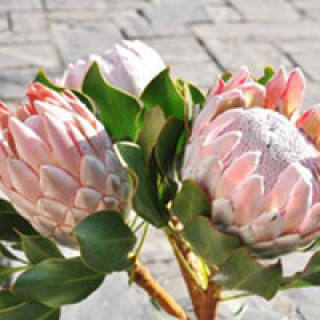
Greetings, Grower. We are the Proteaceae, a proud and ancient family from lands of lean, sun-drenched soils. To thrive in the confines of a pot, we require a very specific home for our roots—one that mimics the harsh, well-aerated slopes of our native habitats. A standard potting mix will suffocate and drown us. Here is what we need from you.
Our roots are highly susceptible to a waterborne fungus, Phytophthora cinnamomi, which causes root rot. This is our greatest enemy. The moment our roots sit in moisture for even a short period, this pathogen attacks. Therefore, the primary purpose of our soil is not to hold water and nutrients, but to allow water to pass through it instantly while holding just enough moisture to sustain us. We need a mix that is open, gritty, and exceptionally free-draining. Think of building a home with vast air pockets, not a waterlogged swamp.
We despise fine, compacted particles like standard garden soil or peat moss. These materials hold too much water and collapse over time, eliminating the precious air pockets we need. Our perfect soil structure is built upon inorganic, sharp, and gritty components. A combination of coarse river sand (2-4mm grit) and perlite (or pumice) is ideal. These particles do not break down, ensuring the structure remains open for years. They provide weight to anchor our pot and create countless tiny drainage channels. The sand should be washed to remove fine dust. Organic matter is still needed, but it must be chunky and open, such as fine pine bark chips (5-10mm) or coco coir chips, which provide structure and slight moisture retention without compaction.
We are adapted to survive in the most nutrient-poor soils. Our roots are highly efficient at gathering the minimal nutrients available but are easily burned by high levels of phosphorus (P) and excessive nitrogen (N). A standard fertilizer is a death sentence. Our soil mix must be inherently low in fertility. Furthermore, we require an acidic pH, ideally between 5.0 and 6.0. This is why the inclusion of peat moss is often debated; while it acidifies the mix, it can become too water-retentive. A better alternative for pH adjustment is a very small amount of soil sulfur mixed through the blend, which will gently acidify the medium over time without compromising drainage.
Based on our needs, you can construct a perfect home for us. A proven recipe is: 2 parts coarse river sand (or horticultural grit), 2 parts perlite or pumice, and 1 part fine pine bark chips or coco coir chips. To this, for every 10 litres of mix, add a handful of slow-release, low-phosphorus fertilizer (look for a formulation for natives like 12-0-10) and a small handful of soil sulfur. Mix all components thoroughly before potting. Ensure the pot itself has large, numerous drainage holes and consider a layer of coarse gravel at the base for extra insurance against waterlogging.