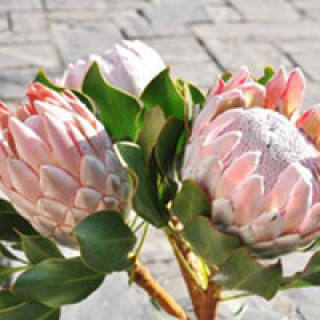
From the plant's perspective, the single most crucial factor in water quality is pH. Proteas, being members of the Proteaceae family, are adapted to thrive in exceptionally acidic, nutrient-poor soils. Their root systems are highly specialized, developing proteoid roots (dense clusters of fine rootlets) to efficiently scavenge nutrients in these challenging conditions. Tap water in many regions of the US is alkaline, with a pH often above 7.5 or even 8.0. Using this water gradually raises the soil pH, making it more neutral or alkaline. This shift is detrimental as it chemically locks up key nutrients like phosphorus and iron, making them unavailable to the plant. This leads to nutrient deficiencies, manifested as chlorosis (yellowing leaves with green veins), stunted growth, and ultimately, plant death.
Closely related to pH is the issue of dissolved mineral content. Tap water is treated for human consumption and often contains significant levels of dissolved salts, including calcium, magnesium, and sodium. For a Protea, which is adapted to low-mineral environments, these salts accumulate in the soil over time. This accumulation increases the soil's electrical conductivity (EC), creating a saline environment. High salinity makes it physiologically difficult for the plant to take up water through its roots, effectively inducing a state of drought stress even when the soil is moist. This "physiological drought" causes root burn, leaf tip scorch, and overall decline. Rainwater, being naturally soft and virtually free of these dissolved salts, does not contribute to this harmful buildup.
Municipal water systems add chemicals like chlorine and chloramine to disinfect water. While safe for humans, these compounds can be absorbed by plant roots. For sensitive species like Proteas, chlorine can cause tip-burn on the leaves and may negatively impact the delicate microbial life in the soil that supports root health. Furthermore, some water sources naturally contain or are supplemented with fluoride. Many Protea species are highly sensitive to fluoride, which causes severe marginal and tip necrosis (browning and die-back) on older leaves, compromising the plant's ability to photosynthesize effectively. Rainwater is pure, containing none of these additives, thus eliminating this source of toxicity.
While a secondary factor, water temperature can influence root function. Water drawn from an outdoor tap, especially in summer, can be very cold. Applying this cold water directly to the root zone of a sun-warmed plant can cause mild thermal shock, temporarily slowing root activity and nutrient uptake. Rainwater naturally equilibrates to the ambient outdoor temperature, making it a gentler option. Additionally, rainwater is typically well-oxygenated from its fall through the atmosphere, which can be marginally beneficial for root respiration compared to flat tap water that has been standing in pipes.