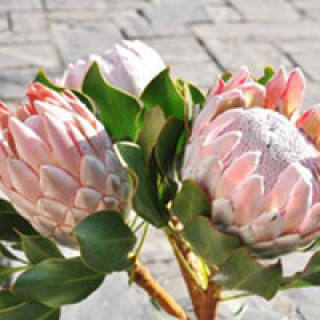
From our perspective, our primary vulnerability to frost lies in the water within our cells. As temperatures plummet below freezing, the water inside our tissues turns to ice crystals. These crystals are sharp and destructive; they physically puncture and shred our cell walls and membranes. Once these vital structures are compromised, the cell contents leak out, and the cell dies. This damage manifests as blackened, mushy leaves and stems, effectively killing that part of the plant. For us Proteas, which are evergreen and not adapted to cold dormancy, this damage is often catastrophic, affecting our ability to photosynthesize and ultimately leading to our demise if the root zone freezes.
Our best defense begins long before the first frost, with strategic planting. We thrive on slopes or raised beds where cold, dense air can drain away from our roots, rather than settling around us in a "frost pocket." Planting us on a south-facing slope maximizes our exposure to the winter sun, which helps warm our soil and foliage during the day. Positioning us near a heat-absorbing structure, like a stone wall or a paved area, can create a favorable microclimate. These structures absorb solar radiation during the day and slowly release it as thermal energy at night, raising the immediate ambient temperature around us by a few critical degrees.
Protecting our roots is non-negotiable, as their death means our death. Applying a very thick, dry mulch layer (8-12 inches) of straw, pine needles, or bark chips over our root zone is crucial. This layer does not heat the soil but acts as a barrier, trapping the earth's residual geothermal warmth and preventing it from escaping into the cold air. It also protects the vulnerable graft union, if present. Importantly, you must keep our root zone on the drier side heading into winter. Wet, cold soil is far more damaging than dry, cold soil. Well-drained soil is essential to prevent root rot, which frost-damaged roots are highly susceptible to.
When a frost or light freeze is forecast, our above-ground parts need a physical shield. Drape breathable fabric row covers, burlap, or even an old bedsheet over our canopy before nightfall. It is vital that this covering extends all the way to the ground to trap the radiant heat rising from the earth. Never use plastic sheeting alone; it will transfer the cold directly to our foliage and can cause condensation that then freezes, exacerbating the problem. For smaller specimens, creating a frame to prevent the cover from touching our leaves is ideal, as contact points can still freeze. Remember to remove these covers during the day to allow for air circulation and sunlight.
If we do experience frost damage, resist the urge to immediately prune away the blackened growth. This damaged material actually serves as a temporary insulator, protecting the inner stems and crown from subsequent frosts. Wait until the absolute last frost date has passed and new growth begins to emerge in spring. Only then should you carefully prune back the dead wood to just above a live bud. This patience allows you to accurately assess the full extent of the damage and ensures you do not stimulate tender new growth that would be immediately killed by another frost.