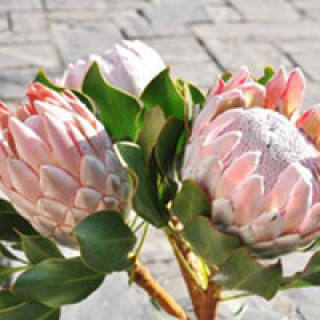
Protea plants are classic examples of calcifuges, meaning they absolutely require and thrive in intensely acidic soil conditions, typically within a pH range of 3.5 to 5.5. This low pH is crucial because it governs the availability of specific nutrients in the soil and limits the uptake of others, particularly phosphorus. Coffee grounds, while often perceived as acidic, present a significant problem. Used coffee grounds are generally neutral to slightly acidic, with a pH often around 6.5. When incorporated into the soil around proteas, they can inadvertently raise the soil pH over time, pushing it out of the plant's very narrow and critical tolerance window. This shift can be detrimental to the plant's health.
This is the most critical reason to avoid coffee grounds for proteas. Members of the Proteaceae family, including Leucadendrons, Leucospermums, and Proteas, have evolved in ancient, phosphorus-deficient soils. Consequently, they have developed a extreme sensitivity to phosphorus. Their root systems lack the fine root hairs found in most plants and instead form a specialized "proteoid" root mat to scavenge nutrients. An excess of phosphorus, even in small amounts, is toxic to them, causing root burn, stunted growth, and ultimately death. Coffee grounds contain a notable amount of phosphorus. Introducing this material into the root zone directly threatens the plant by providing a concentrated source of the very element it cannot tolerate.
While proteas do require nitrogen, they are adapted to absorb it in specific forms and at a slow, steady rate. Coffee grounds are a source of nitrogen, but they are often considered a "green" compost material that decomposes relatively quickly. This rapid breakdown can cause a short-term surge of nitrogen availability. For a protea plant, which is adapted to a low-nutrient environment, this sudden flush can disrupt its delicate nutritional balance and potentially lead to excessive, weak vegetative growth at the expense of its iconic flowers. The plant's metabolism is not geared to handle such a rapid influx of nutrients.
The physical properties of coffee grounds also pose a risk. When applied thickly or mixed into the soil, wet coffee grounds have a tendency to compact and form a dense, crusty layer on the soil surface as they dry. This layer can act as a barrier, preventing water from percolating down to the root zone and hampering crucial air exchange. Proteas demand exceptionally well-drained, aerated soil; their roots are highly susceptible to root rot fungi (like Phytophthora) if conditions become waterlogged or poorly oxygenated. The compaction caused by coffee grounds directly creates an environment where these pathogens can thrive, putting the plant at serious risk.