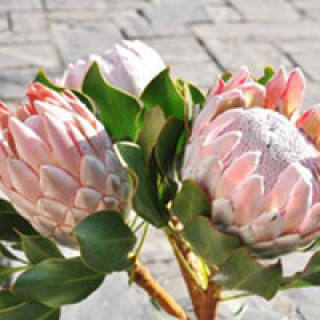
To understand the ideal temperature range for potted Protea plants, one must first consider their origin. Most cultivated Proteas, such as Protea cynaroides (King Protea) or Protea neriifolia, are native to the South African fynbos biome. This environment is characterized by a Mediterranean climate with warm, dry summers and cool, wet winters. The plants have evolved not just to survive but to thrive within specific thermal parameters. For a potted Protea, replicating this natural rhythm is crucial for its physiological processes, including respiration, photosynthesis, and most importantly, the initiation of its spectacular blooms. The root system, confined to a pot, is more vulnerable to temperature extremes than one in the ground, making precise management essential.
The ideal temperature range for a potted Protea during its active growth period (typically spring and summer) is between 10°C (50°F) and 25°C (77°F). Within this bracket, metabolic functions operate at peak efficiency. Photosynthesis proceeds optimally, converting sunlight into energy without the excessive stress caused by extreme heat. Warm daytime temperatures encourage robust growth and the development of strong stems and foliage. Crucially, the nighttime drop in temperature is not a detriment but a requirement. A natural dip of 10-15 degrees Fahrenheit from day to night is beneficial, as it mirrors the conditions of their native highland slopes and helps reduce respiratory losses, conserving energy for growth and flowering.
Protea plants have a fundamental physiological need for a period of cooler temperatures. During the autumn and winter months, a potted Protea requires temperatures consistently between 5°C (41°F) and 10°C (50°F). This cool period is not a time of stagnation but a vital dormant phase. The plant's energy is redirected from top growth to root development, strengthening the system that will support the next season's bloom. Most significantly, this chill acts as the primary environmental trigger for flower bud initiation. Without a distinct cool season, a potted Protea will often focus solely on vegetative growth, becoming lush and green but failing to produce its iconic flower heads.
Potted Proteas are exceptionally vulnerable to temperatures outside their ideal range. Sustained heat above 30°C (86°F) places the plant under severe duress. The root system in a container can overheat, impairing its ability to take up water and nutrients, leading to wilt, scorched leaf margins, and stunted growth. High humidity combined with heat creates a suffocating environment that promotes fungal root rot, a primary killer of Proteas. Conversely, while many varieties can tolerate a very light frost, prolonged exposure to temperatures below 0°C (32°F) can cause irreversible cellular damage to the roots and tender new growth, ultimately killing the plant. The container offers no insulation against the cold, making protection during freezes mandatory.