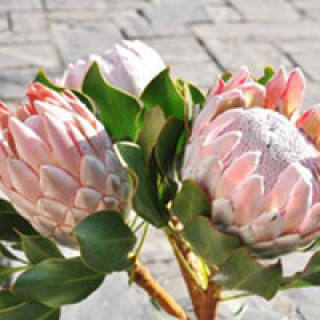
Our most critical demand is for an exceptionally well-draining growing medium. We are proteas, and our roots are highly susceptible to rot in heavy, moisture-retentive soil. A standard potting mix is a death sentence for us. We require a specialized, low-phosphorus, acidic blend. Ideally, you will create a mix for us using equal parts of coarse sand or perlite, peat moss or a sustainable coir alternative, and a gritty material like pumice or bark chips. This combination mimics our native, nutrient-poor, sandy slopes and ensures our roots remain healthy and oxygenated.
Please choose our home with care. We need a container that is deep, as our root systems are primarily taproots that grow straight down. A pot that is at least 12-18 inches deep and wide is a good start. Most importantly, the container must have exceptional drainage. Multiple large holes at the bottom are non-negotiable. Material is also a factor; while clay or terracotta pots are breathable and help soil dry out, they can also wick away too much moisture in hot, windy conditions. A sturdy, light-colored plastic or composite pot can be a suitable choice, as it helps keep our roots cooler.
We are sun-worshippers. To thrive and produce our magnificent, otherworldly blooms, we require a minimum of six hours, and ideally more, of direct, full sun each day. Position our container on a south-facing patio or balcony where we will receive the most intense light. We can tolerate a wide range of temperatures but perform best in conditions that mirror a Mediterranean climate—warm, sunny days and cooler nights. While some varieties can handle a very light frost, we are not built for harsh winters. If you live in a zone where temperatures consistently drop below freezing, you must be prepared to move our container to a protected, bright, and cool space like a garage or sunroom.
Our watering needs are specific. The rule is deep but infrequent watering. You must allow our potting mix to dry out almost completely between waterings. To check, push your finger into the soil; if the top two inches are dry, it is time for a thorough soak until water runs freely from the drainage holes. Never let us sit in a saucer of water. Most critically, we are extremely sensitive to phosphorus. Standard fertilizers will poison us. You should feed us sparingly, if at all, and only with a specially formulated, low-phosphorus, acidic plant food designed for natives like azaleas or camellias.
When you first bring us home, please be gentle. We may need a short period of acclimation to our new patio environment, especially if it is very windy. A slightly sheltered spot for the first week can help us adjust. Once settled, we require good air circulation to keep our foliage healthy and prevent fungal issues. After our spectacular bloom has faded, you can give us a light pruning to maintain a pleasing shape and encourage bushier growth for the next season. Always use clean, sharp secateurs and avoid cutting back into old, woody stems that do not readily produce new shoots.