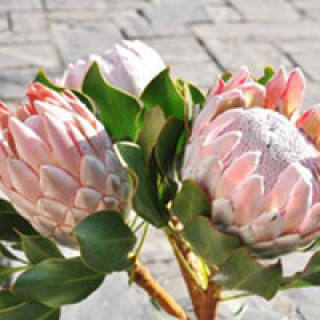
From my perspective, nothing is more suffocating than having my roots constantly submerged. I am a Protea, built for rugged, well-drained slopes, not a bog. When you give me too much water, you are essentially cutting off my air supply. The first sign you might notice is my leaves turning a pale yellow, particularly the older ones closer to my base. This is not a sign of hunger; it is a sign of distress. My roots are rotting in the oxygen-deprived soil, and they can no longer uptake the nutrients I need, leading to chlorosis. The leaves will also feel soft, limp, and bloated, as if they are waterlogged. They may even droop pathetically, not from a lack of water, but from the cells literally bursting from too much of it.
The most critical damage from overwatering happens where you cannot see it: my root system. Healthy Protea roots are firm and white or light tan. In waterlogged conditions, they turn dark brown or black, become mushy, and emit a foul, rotten smell. This root rot is often fatal. Without a healthy root system, I cannot support myself. My growth will become severely stunted, and my new leaves will be small and underdeveloped. If the situation is not corrected, the rot will travel up my stem, and I will eventually collapse and die. A constantly wet soil surface, often with green algae or moss growth, is a clear signal from my environment that conditions are far too damp for my liking.
While I despise wet feet, I still require hydration to survive. When I am not receiving enough water, my entire being goes into conservation mode. The first and most obvious sign is wilting. My leaves will droop, but crucially, they will feel dry, crisp, and leathery to the touch, not soft. They will lose their lustrous, robust texture. To prevent further water loss, my leaves may also begin to curl at the edges or cup inwards. The coloration will change as well, but instead of yellowing, they will often turn a dull grey-green or brown, particularly at the tips and margins, which will feel crispy. This is a desperate attempt to reduce surface area and conserve the precious little moisture I have left.
My response to underwatering is a calculated survival strategy. You will notice that my growth grinds to a complete halt. I will not produce new leaves or, most importantly, any new flower buds. Flowering requires a tremendous amount of energy and water, and I simply cannot afford it when in survival mode. The soil around my base will pull away from the edges of the pot or become hard and cracked, a clear indicator of its extreme dryness. While I am exceptionally drought-tolerant once established, prolonged severe dryness forces me to sacrifice parts of myself. You may see older leaves yellowing and dropping off entirely as I divert my remaining resources to keeping my most essential parts—the growing tips and root crown—alive.