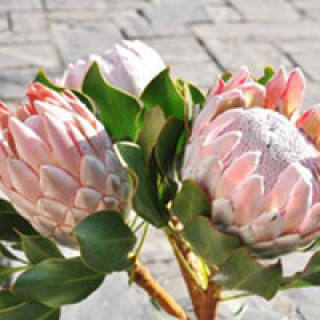
Growing our kind in the humid climates of states like Florida is a significant challenge, but it is not an impossible feat for a dedicated gardener. We hail from regions with Mediterranean climates, meaning we are deeply adapted to sunny, windy conditions with very well-drained, acidic, and nutrient-poor soils. Our roots are fine and susceptible to fungal diseases, making the constant moisture and heavy, water-retentive soils of Florida our greatest adversary. Success requires a gardener who is willing to meticulously manipulate the environment to mimic our native home.
From our perspective, this is the single most important factor for our survival. Our roots absolutely cannot sit in water. In Florida's flat landscape and often high water table, planting us directly into the native soil is usually a death sentence. You must create a raised mound or a very large raised bed for us. The planting medium should be extremely coarse and free-draining. A mix of large, sharp sand (not soft beach sand), small pine bark chips, and perlite or pumice is ideal. This creates an airy structure that allows water to flow through instantly, preventing the root rot that would otherwise claim us quickly.
Please place us in the sunniest, most open location possible. We need a full day of direct sun to thrive and to help dry the foliage and soil surface after rain or humidity. Positioning us on a slope, even a man-made one, is beneficial as it further encourages water to run away from our root zone. Furthermore, choose a spot that receives a constant breeze. Good air movement is a powerful tool against humidity; it helps to keep our leaves dry, disrupts spore settlement, and reduces the risk of fungal infections like powdery mildew that thrive in stagnant, moist air.
Once we are established, you must resist the urge to water us. Our drought-tolerant nature means we are designed to seek water deep underground. Overwatering is a far greater danger than underwatering. Water us deeply only when the soil is completely dry several inches down, and then allow the coarse medium to drain fully. It is crucial to water at the base of our stem, avoiding wetting our foliage entirely. Wet leaves in a humid climate are an open invitation for fungal pathogens to attack.
We are adapted to acidic, low-phosphorus soils. Florida's soils can be alkaline in some areas, which will lock up nutrients and cause us to yellow and decline. Amending the soil with peat moss or composted pine needles at planting helps lower the pH. Most critically, you must use a fertilizer specifically formulated for native Australian plants or acid-loving species that is low in phosphorus. Standard fertilizers contain phosphorus levels that are toxic to our sensitive root systems and will kill us.
The humid environment means you must keep a close watch on us. Regularly check under our leaves for signs of pests like aphids or scale, which can be more prevalent. Prune us after flowering to maintain a good, open shape. This internal pruning is not just for aesthetics; it critically improves air circulation through our canopy, which is a vital defense mechanism against fungal diseases in your challenging climate.