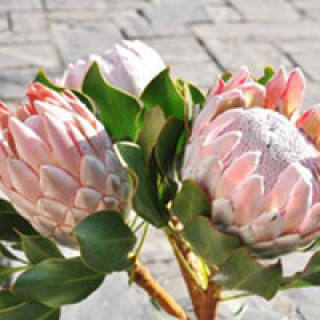
Greetings, dedicated gardener. We are the Proteaceae family, a proud and ancient lineage from the Southern Hemisphere. We appreciate your interest in cultivating our striking beauty in your US garden. To help us thrive far from our native homes, please follow this guide from our perspective.
First, find us a throne fit for sun-kings and queens. We demand a minimum of six hours of direct, unfiltered sunlight each day. This intense energy fuels our growth and the development of our magnificent, otherworldly blooms. Furthermore, we require absolute sanctuary from strong winds. Our woody stems, while sturdy, can be broken by gusty conditions, and our large, leathery leaves lose precious moisture in constant wind. A south-facing slope or a spot sheltered by a wall or fence is ideal.
This is the most crucial step for our survival. We have evolved in nutrient-poor, mountainous soils with one non-negotiable requirement: perfect drainage. Soggy roots are a death sentence for us. You must create a raised mound or a generously sized planting hole and amend your native soil. We desire a sharply draining, acidic mix. Combine one part of your existing soil with two parts of coarse sand and one part acidic planting mix (like one designed for azaleas or rhododendrons). Avoid rich composts and manures, as they are far too rich in phosphorus, which is toxic to our specialized roots.
Please handle us with care. Gently remove us from our nursery container, taking care not to disturb our root ball excessively. Place us in the center of the prepared hole, ensuring the top of our root ball sits level with or slightly above the surrounding soil level. This prevents water from pooling around our crown. Backfill the hole with your prepared acidic soil mix, firming it gently around us to eliminate large air pockets. Do not press too hard, as we need air in the soil.
Water us deeply immediately after planting to settle the soil around our roots. For the first growing season, provide us with a deep watering once or twice a week, allowing the soil to dry out slightly between sessions. Once established, we are remarkably drought-tolerant and will only require supplemental water during extended dry periods. As for food, we are light feeders. A light application of a low-phosphorus, slow-release fertilizer in early spring is sufficient. Remember, too much kindness (water and fertilizer) will harm us.
To encourage a bushy form and prolific blooms, prune us after our flowers have faded. Cut the stem that held the flower back by several inches, making your cut just above a healthy leaf node. This will prompt new growth from that point. In colder USDA zones (below 8), we may need winter protection. A thick layer of mulch (like pine bark or straw) around our base will help insulate our roots from freeze-thaw cycles and bitter cold.