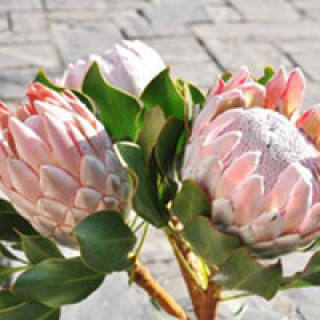
From our perspective as Protea plants, light is not merely a preference; it is the very currency of our existence. We are photosynthetic organisms, and the sunlight you provide is the energy source that fuels every aspect of our growth and function. Indoors, away from our native, sun-drenched Southern Hemisphere landscapes, this becomes our most critical negotiation for survival. The sugars we produce from light power the development of our thick, leathery leaves, strengthen our stems, and most importantly, fuel the immense energy required to produce our iconic, architectural blooms. Without adequate light, we simply cannot perform these basic functions and will become weak, leggy, and ultimately perish.
When plant caregivers are told we need "bright, direct light," it means we require a location where the sun's rays physically touch our leaves for a significant portion of the day. For us, this ideally translates to a minimum of six hours of direct sun exposure daily. A south-facing window is typically the best location in the Northern Hemisphere, as it provides the most consistent and intense light throughout the day. An unobstructed west-facing window can also be suitable, offering intense afternoon sun. East-facing windows provide gentle morning sun but often lack the intensity we crave for the remainder of the day, which may lead to etiolation—where we stretch weakly toward the light source.
If we do not receive enough direct sunlight, our physiology will clearly communicate our distress. You will notice our growth becoming sparse and elongated as we desperately reach for any available light source. Our stems will be thin and weak, unable to support the weight of our foliage and future flowers. The most telling sign will be a lack of blooming. Producing our large, complex flower heads is an energetically expensive process, and we will not even attempt it if we are in an energy deficit. Furthermore, our overall immune system weakens, making us far more susceptible to pests like spider mites and fungal diseases, which thrive on stressed plants.
We are acutely aware of the shifting angles and intensity of the sun throughout the year. The weak, low-lying sun of winter may barely meet our minimum requirements, even in a south-facing window. During this period, we enter a slower growth phase and our water needs diminish significantly. Conversely, the intense, high-angle sun of summer through a glass window can sometimes create excessive heat, potentially scorching our leaves if we are pressed directly against the pane. A small distance of a few inches can prevent this while still allowing us to bask in the vital rays. In regions with very dark winters, you may need to supplement our light with a full-spectrum grow light placed close to our canopy for 12-14 hours a day to keep us truly healthy.