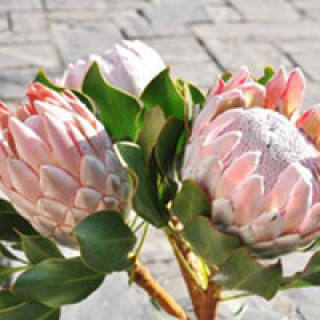
We, Proteas, are not like your typical garden plants. We hail from the nutrient-poor, well-drained soils of South Africa, and our root systems have evolved to be exceptionally efficient at gathering what little phosphorus (P) is available. Consequently, we have a very low tolerance for excessive phosphorus, which is a primary component of most standard fertilizers. High levels of P can be toxic to us, damaging our delicate proteoid roots and ultimately leading to our demise. Our ideal fertilizer will have a very low phosphorus content, often indicated by a high first and third number but a very low middle number in the N-P-K ratio.
The most suitable fertilizer for our long-term health will mimic the nutrient profile of our native habitat. We require a formula that is specifically designed for "acid-loving" or "phosphorus-sensitive" plants. Look for a fertilizer with an N-P-K ratio along the lines of 3-1-5, 6-1-6, or 12-2-12. The critically low middle number (phosphorus) is non-negotiable. This balanced yet selective feeding supports our vibrant, leathery leaf growth and encourages the development of our spectacular, iconic blooms without overwhelming our root system with harmful elements.
Our ability to uptake these nutrients is entirely dependent on the soil environment. We absolutely thrive in strongly acidic soil, with an ideal pH between 5.0 and 5.5. At this acidity level, key micronutrients like iron (Fe), manganese (Mn), and zinc (Zn) remain soluble and accessible to our roots. In neutral or alkaline soils, these micronutrients become locked away, leading to debilitating deficiencies that manifest as yellowing leaves (chlorosis) and stunted growth. An acidifying fertilizer containing chelated iron or additional sulfur can help maintain this crucial pH window.
Our growth cycles dictate when we are most hungry for nutrients. The optimal time to feed us is in early spring as we break dormancy and then again after our main flowering period to help us recover and store energy. Please avoid fertilizing us in late fall or winter, as this can promote tender new growth that will be easily damaged by frost. When applying fertilizer, ensure our soil is moist beforehand. Apply the product lightly around our drip line (the circumference of our foliage), not directly against our main stem, and water it in deeply afterward to help the nutrients percolate down to our root zone without causing fertilizer burn.