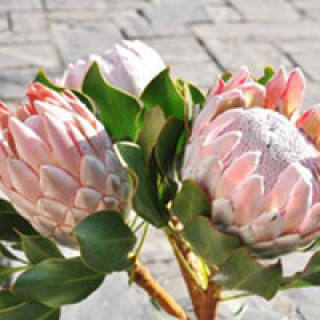
From a botanical perspective, harvesting Protea flowers at the correct developmental stage is crucial for maximizing their post-harvest longevity. The ideal time to cut is when the first few rows of bracts (the colorful, modified leaves that are often mistaken for petals) have begun to unfurl and move away from the central dome of true flowers. The central florets should be partially, but not fully, open. Harvesting too early, when the bloom is overly tight, can result in the flower failing to open properly after cutting. Harvesting too late, when the florets are fully mature and releasing pollen, significantly reduces the flower's vase life as its physiological processes are already in decline.
The method of cutting directly impacts the health of both the cut flower and the parent plant. Always use sharp, sterilized pruning shears or secateurs. A clean cut prevents crushing the vascular tissues (xylem and phloem) in the stem, which is essential for efficient water uptake immediately after harvesting. Cut stems at a 45-degree angle to increase the surface area for water absorption. The length of the stem will depend on your use, but always leave a sufficient portion of the stem and healthy foliage on the parent plant to allow it to continue photosynthesizing and to support the production of new growth. Harvest during the cooler parts of the day, either early morning or late evening, when the plant is fully hydrated and experiencing minimal transpirational stress.
Protea stems have robust but sometimes inefficient vascular systems. Immediately after cutting, the plant's natural reaction is to seal the wound to prevent pathogen entry and water loss, a process that can block the cut end. To counteract this, promptly place the cut stems into a bucket of clean, lukewarm water. It is highly beneficial to use a floral preservative in this water. The sugar in the preservative provides a vital energy source for the flower (as its photosynthetic capacity is now reduced), the biocide inhibits the growth of bacteria and fungi that clog vascular bundles, and the acidifier helps maintain a pH that facilitates better water uptake. Allow the flowers to hydrate in a cool, dark place for several hours or overnight before arranging or drying.
Proteas are exceptionally well-suited for drying due to their naturally woody stems and somewhat leathery, low-moisture-content bracts. Their plant structure is adapted to conserve water, making them less prone to wilting and rot during the drying process. To dry, bundle a small number of stems together (to ensure good air circulation) and secure them with a rubber band, which will tighten as the stems shrink. Hang the bundles upside down in a dark, warm, dry, and well-ventilated area. Hanging them upside down utilizes gravity to help the stems dry straight and encourages the bracts to open and retain their natural shape. Darkness is critical to prevent the vibrant colors from fading due to photodegradation. The drying process is complete when the stems snap easily and the flower heads feel rigid and light to the touch.