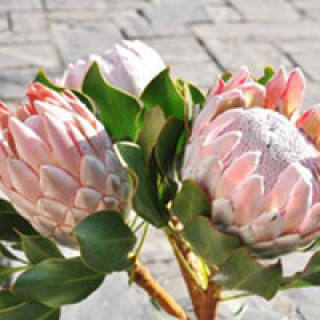
For the discerning gardener seeking to cultivate the magnificent and ancient Protea, sourcing a healthy plant is the critical first step. This botanical guide will detail the primary avenues for acquisition within the United States, with a focus on the plant's specific needs and how each source can meet them.
For the widest selection of species and cultivars, specialized online nurseries are unparalleled. These nurseries, often located in climatically favorable regions like California, cultivate Proteas with expert care. They typically ship bare-root or in a lightweight potting mix, which is ideal for the Protea's delicate, susceptible root system. When ordering, prioritize nurseries that provide detailed phytosanitary certifications and have a reputation for careful packaging. A healthy mail-order Protea should arrive with firm, undamaged stems, healthy leaf coloration (avoid plants with yellowing or numerous brown spots), and its root ball intact, not overly dry or soggy.
Many botanical gardens with significant Proteaceae collections, such as those in southern California, host annual plant sales. These events are a superb opportunity to acquire plants that are already acclimated to your general regional conditions. You can physically inspect the plant for health, checking for vigorous new growth, a robust structure, and an absence of pests like scale or aphids on the undersides of the tough, leathery leaves. Furthermore, the staff and affiliated experts are invaluable resources for specific cultivation advice tailored to your local microclimate, which is crucial for a plant so sensitive to soil chemistry and drainage.
While less common, some high-quality local nurseries may carry a limited selection of Protea plants, particularly in areas with Mediterranean climates. The significant advantage here is the ability to select a plant that shows no signs of transport shock. Examine the plant in its container. The soil medium should be exceptionally well-draining, typically a gritty, acidic mix low in phosphorus, not a standard peat-based potting soil. Avoid any plant that is root-bound, as circling roots can girdle and kill the plant, and reject any with signs of overwatering, such as wilting despite moist soil or blackened leaf tips—a sign of potential root rot.
Regardless of the source, your immediate actions post-purchase are vital. Proteas are extremely sensitive to root disturbance. If the plant is potted, do not repot it immediately unless the soil medium is clearly inappropriate; allow it to acclimate to its new environment for several weeks. Provide it with full sun and excellent air circulation from the start. Ensure your garden soil is amended to be exceptionally acidic (pH 5.5-6.5) and fast-draining; if not, be prepared to plant it in a large, deep container with a specialized potting mix. The plant's survival depends on replicating its native, nutrient-poor, well-aerated soil conditions.