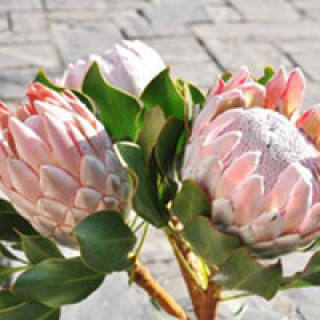
Proteas, belonging to the diverse Proteaceae family, are ancient plants renowned for their spectacular, otherworldly blooms and resilience. For the home cultivator, selecting the right type is paramount, as their requirements can differ significantly. The key considerations from a botanical perspective include climate adaptation, root system health, and overall plant morphology.
This is the primary factor determining success. Proteas are broadly divided into those from summer-rainfall and winter-rainfall regions. Protea cynaroides (King Protea) and Leucospermum cordifolium (Pincushion Protea) are classic examples of winter-rainfall species. They are physiologically adapted to a Mediterranean climate: cool, wet winters and hot, dry summers. They struggle in high-humidity environments, which promote fungal diseases like root rot. In contrast, certain Leucadendron species and Protea roupelliae subsp. roupelliae are more tolerant of summer rainfall and higher humidity, making them better candidates for gardeners in subtropical or more temperate, humid zones.
All Proteas possess fine, dense root systems known as proteoid roots. These are highly efficient at nutrient uptake but are also exceptionally sensitive to soil conditions. Botanically, they are adapted to extremely well-draining, acidic (pH 5-6), and nutrient-poor soils. The presence of phosphorus is particularly critical; these plants have a very low tolerance for it. High levels of phosphorus in soil or fertilizer are toxic and will quickly kill the plant. Therefore, a specialist native plant or Protea mix with low-phosphorus content is essential. The choice of species matters less for soil than for ensuring these non-negotiable root conditions are met.
The physical form of the plant dictates its space requirements in the garden. Protea cynaroides is a large, robust shrub that can grow over 1.5 meters tall and wide, requiring significant space. Protea neriifolia (Oleander-leaf Protea) is also a large shrub but is often noted for its slightly more upright and compact form. For smaller gardens or containers, dwarf cultivars are ideal. Protea pudens (Dwarf Ground Sugarbush) and various compact Leucadendron cultivars (e.g., Leucadendron 'Safari Sunset' can be kept under 1 meter. Their smaller leaf surface area also reduces water loss, making them slightly more forgiving.
The flowering time and longevity differ. Leucospermum species (Pincushions) typically offer a spectacular but relatively brief spring display. Many Protea species, such as Protea magnifica (Queen Protea), have a longer flowering season, and their iconic flower heads are actually composite flower structures (inflorescences) with tough, woody bracts that remain attractive on the plant for months, even after the actual flowers have finished blooming. This provides prolonged ornamental value. Understanding this reproductive morphology helps in planning a garden with sequential or long-lasting visual interest.