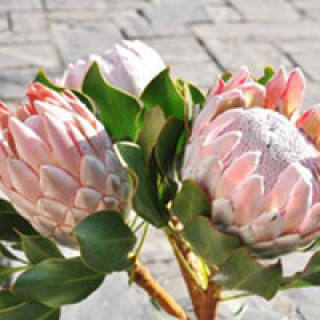
Proteas, with their otherworldly, sculptural blooms, are the crown jewels of the floristry world. Hailing primarily from South Africa and Australia, these plants are adapted to specific environmental conditions that are not universally found. Your ability to grow them successfully depends on replicating these conditions as closely as possible, with climate zone being the primary factor.
For a Protea plant, the local hardiness zone, particularly the average annual extreme minimum temperature, is a matter of survival. These plants are native to regions with mild, Mediterranean climates and lack the internal mechanisms to withstand deep, hard freezes. Most common Protea species, such as Protea cynaroides (King Protea) and Protea neriifolia, are rated for USDA Hardiness Zones 9-12. This means they can typically tolerate brief dips in temperature down to about 20°F (-6°C). A sustained freeze or temperatures falling significantly below this range will cause severe damage or kill the plant. Therefore, the first step is to consult the USDA Plant Hardiness Zone Map to identify your specific zone.
While cold tolerance is the biggest hurdle, a Protea's requirements extend far beyond just surviving the winter. From the plant's perspective, the wrong soil or water can be just as fatal as the cold.
Soil: Proteas have evolved to thrive in very specific soil conditions. They are acid-loving plants that demand exceptionally well-draining, sandy, or gritty soil. Their roots are highly susceptible to Phytophthora root rot, a fungal disease that thrives in heavy, clay-rich, or moisture-retentive soils. From the plant's root system's point of view, being planted in standard garden soil is a death sentence; it is akin to suffocation.
Water & Humidity: These plants are drought-tolerant once established and are adapted to a cycle of thorough watering followed by a period where the roots dry out. Consistent overhead watering or soggy soil will quickly lead to fatal root diseases. Furthermore, high humidity, especially when combined with cool temperatures, creates an environment conducive to fungal leaf spots and blights that the plant is not well-equipped to fight.
Sunlight: Proteas are sun-worshippers. They require full sun exposure for a majority of the day to photosynthesize efficiently and produce their magnificent blooms. Insufficient light will result in weak, leggy growth and a significant reduction or complete absence of flowers.
If you are in a borderline zone (e.g., parts of Zone 8b), all hope is not lost. A Protea may survive if given a very sheltered microclimate. Planting on a south-facing slope against a warm, heat-reflecting wall can provide those crucial extra few degrees of warmth in winter. More reliably, Proteas are excellent candidates for container cultivation. This allows you to control the soil mix perfectly (using a blend for acid-loving plants amended with extra sand and perlite) and to move the plant to a protected location, like a sunny patio or an unheated garage, during periods of extreme cold or excessive winter rain.