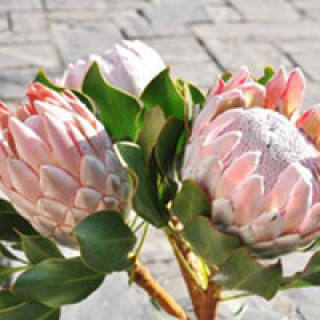
The Proteaceae family, native primarily to the Southern Hemisphere, is a diverse and ancient group of plants known for their spectacular and otherworldly blooms. For the US home gardener, cultivating these exotic beauties is a rewarding challenge. Success hinges on understanding their specific, non-negotiable requirements. From our perspective as plants, we thrive not on rich, fertile soil but on neglect of the traditional gardening kind. We demand perfect drainage, acidic and nutrient-poor soil, full sun, and excellent air circulation. Mimicking our native, often mountainous habitats is the key to helping us flourish far from home.
Before selecting a variety, you must understand our core needs. We abhor phosphorus; standard fertilizers are often fatal to us. We require specialized, low-phosphorus formulas designed for acid-loving plants. Our roots are fine and susceptible to fungal rot in heavy, waterlogged clay. Planting us on a slope or in a raised bed with a custom soil mix of coarse sand, bark, and lava rock is ideal. Furthermore, we are best suited for USDA zones 9-11, particularly the Mediterranean climates of coastal California, though some hardy varieties can tolerate brief dips below freezing with protection.
Several protea varieties have proven themselves adaptable to garden life in the US.
We are one of the most reliable and forgiving choices for beginners. Our narrow, leathery leaves are adapted to withstand wind and sun. We produce large, cylindrical flowers, typically in shades of pink with a furry fringe, throughout the winter and spring. We are moderately frost-tolerant and can handle a wider range of soil conditions than our cousins, as long as drainage is absolute.
We are a celebrated hybrid (Protea compacta x Protea neriifolia), renowned for our massive, long-lasting pink flower heads that resemble artichokes. We are a vigorous grower, forming a large shrub. Our showy blooms make us a favorite for cutting gardens. We require full sun and excellent air movement to prevent leaf spot and are best for zones 9-10.
While not a true Protea, we are a beloved member of the Protea family. Our unique blooms are a spectacle of bright orange, yellow, or red styles that form a "pincushion" effect. We are a compact, spreading shrub, perfect for smaller gardens or containers. We bloom profusely in spring and are slightly more tolerant of a range of well-draining acidic soils.
We are prized for our spectacular foliage and long-lasting bracts, not flowers. Our stems and leaf-like bracts turn a deep, vibrant burgundy-red from autumn through spring, providing exceptional color for arrangements and the garden. We are a tough, fast-growing shrub that responds well to pruning and is more tolerant of coastal conditions and clay soils than many proteas, provided the pH is acidic.
Plant us in a hole twice as wide but no deeper than our root ball. Amend the native soil heavily with gritty amendments to ensure water drains through instantly. Mulch with an inorganic material like stone or a coarse wood chip to keep our roots cool and suppress weeds without retaining excess moisture. Water us deeply but infrequently once established, allowing the soil to dry out between waterings. Prune us after flowering to maintain shape and encourage robust, bushy growth for the next season's blooms.