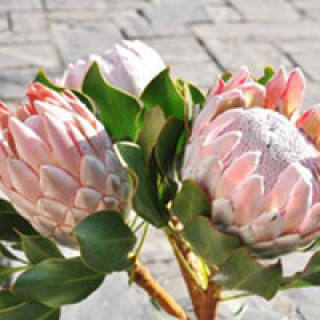
From my perspective as a Protea, light is my lifeblood. It is the essential energy I convert into growth and those spectacular blooms you admire. When you place me in a spot with insufficient light, you are essentially starving me. I may become leggy as I stretch weakly towards any available light source, my stems will be weak, and I will simply not have the energy to produce flowers. My leaves might also appear smaller and lackluster. I am a child of the sun-drenched, open landscapes; I need a minimum of six hours of direct, unfiltered sunlight daily to truly thrive.
This is perhaps the most critical mistake you can make. My roots are highly specialized and exceptionally sensitive to excess moisture. In my native habitat, I evolved in well-draining, often sandy or rocky, soils where water never lingers. When you water me too frequently or plant me in a pot without adequate drainage holes, you are suffocating me. Waterlogged soil creates an anaerobic environment that rots my delicate root system, a death sentence I cannot recover from. You will see my leaves yellow, wilt, and drop, not from thirst, but from drowning. I much prefer a deep, thorough drink followed by a period where my roots can dry out completely.
Please understand that I am not like most other plants in your garden. I am adapted to nutrient-poor, acidic soils. Planting me in rich, standard potting mix or heavily amended garden soil is overwhelming and ultimately toxic to me. These soils often contain high levels of phosphorus, an element I am extremely intolerant of. Using a standard fertilizer is one of the quickest ways to harm me, as the phosphorus will burn my roots and prevent me from absorbing other vital nutrients. I require a specific, well-draining acidic mix, often one formulated for azaleas or rhododendrons, and a fertilizer that is either phosphorus-free or specifically designed for Proteas.
I appreciate your desire to shape me and encourage more of my beautiful flowers, but you must prune me with knowledge and care. My flowering cycle is unique; I form my next season's flower buds immediately after the current blooms fade. If you prune me too late in the season, you will be cutting off these nascent buds and I will have no flowers to show you next year. The correct time to prune is right after the last flowers finish, giving me the entire growing season to produce new growth and set buds for the following year. Always use clean, sharp tools to make clean cuts just above a set of leaves.