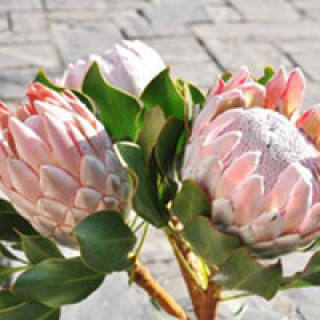
Proteas are not typical houseplants; they are woody, evergreen shrubs native to South Africa and Australia. They thrive in specific, challenging conditions that are difficult to replicate indoors. Their natural habitat features full, intense sunlight, extremely well-draining, acidic, and nutrient-poor soil, along with excellent air circulation. Most varieties are hardy only in USDA zones 9-11 and are accustomed to significant daily temperature fluctuations. The consistently warm, often shady, and humid environment of a typical home is the antithesis of what a Protea plant has evolved to expect, making long-term indoor survival a significant challenge.
From the plant's perspective, light is its primary source of energy, and Proteas are high-energy plants. They require a minimum of six hours of direct, unfiltered sunlight daily to photosynthesize effectively and produce their iconic, intricate blooms. A south-facing window is often the only indoor location that might provide sufficient light, and even that may not be intense enough, especially in northern latitudes. Furthermore, they prefer a notable drop in temperature at night, which is uncommon in climate-controlled homes. Without these specific light and temperature conditions, the plant will become leggy, fail to flower, and gradually weaken.
The root system of a Protea is highly specialized and exceptionally vulnerable to root rot. It has evolved to absorb minimal nutrients and water from fast-draining, sandy, or rocky soils. Sitting in moisture-rich, standard potting mix is a death sentence. They require a special potting medium with very low phosphorus content, often a mix of coarse sand, bark chips, and acidic components like peat-free ericaceous compost. Watering must be infrequent and deep, allowing the soil to dry out almost completely between waterings. The high mineral content and pH of tap water can also be detrimental, making rainwater or distilled water a better option.
While Proteas can tolerate coastal winds, they do not fare well in the stagnant, often overly humid air found indoors. Poor air circulation promotes fungal diseases like powdery mildew, which can quickly colonize the plant's dense foliage. Kitchens and bathrooms, which might have higher humidity, are typically too dark. Living rooms with adequate light often have dry, still air from heating or cooling systems. This creates a no-win scenario where the plant is constantly stressed by an environment that is either too humid with no airflow or too arid.
Proteas are adapted to survive in profoundly nutrient-deficient soils. They are sensitive to high levels of phosphorus and other salts commonly found in standard fertilizers. Applying a typical houseplant fertilizer will quickly poison the plant, causing leaf burn and death. They have a specialized root system called proteoid roots that efficiently scavenge for minimal nutrients. Therefore, feeding is rarely necessary and extremely risky. This specific adaptation makes their nutritional management incompatible with the fertilizing routines used for most other potted plants.