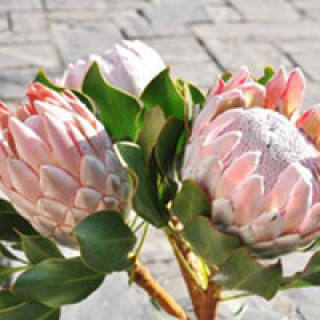
From my perspective as a Protea, light is my primary source of energy. I am a sun-worshipper by nature, hailing from open, sunny landscapes. If I am not flowering, the most likely reason is that I am not receiving enough direct, intense sunlight. My photosynthetic processes require a full day of sun to produce the massive amount of carbohydrates needed to form my large, complex flower heads. When planted in shade or even partial shade, my systems go into survival mode. I will direct all my energy into maintaining basic leaf function and root health, leaving nothing in reserve for the enormous task of reproduction. Without at least six to eight hours of direct, unfiltered sunlight, the signal to initiate flowering simply never gets switched on.
My roots are exceptionally sensitive and have very specific requirements. I absolutely demand perfectly drained, acidic soil. If the soil around my roots is rich in phosphorus or is alkaline (has a high pH), I cannot absorb nutrients properly. This is not a preference; it is a physiological necessity. High phosphorus levels are actually toxic to me, damaging my delicate root systems and preventing the uptake of other crucial micronutrients like iron. Alkaline soil compounds this issue, locking away nutrients in a form I cannot access. In this state of nutrient deficiency and stress, I am weakened. My entire focus becomes managing this root distress, and the energy-intensive process of flowering is abandoned as a non-essential function for survival.
Your well-intentioned pruning may be the direct cause of your missing flowers. My flowering cycle is precise. I form my flower buds on the growth that matures from the previous season. If you prune me at the wrong time—typically in late summer, fall, or winter—you are almost certainly cutting off the stems that contain the developing embryonic flowers. By the time you see nothing but leaves, the future blooms have already been removed. This is a direct, physical removal of my reproductive structures. Furthermore, aggressive pruning forces me to expend a huge amount of stored energy on generating new vegetative growth to replace what was lost, again diverting resources away from any potential flower production.
Flowering is the ultimate goal of a mature plant. If I am a young specimen, I may simply not be ready. My internal biological clock prioritizes establishing a strong, extensive root system and a robust framework of stems before I commit to the taxing process of reproduction. This can take a few years. Similarly, if I was recently transplanted, I am in a state of shock. My entire energy reserve is being directed underground to regrow the root hairs damaged during the move and to re-establish my anchorage and water uptake systems. Until this process is complete and I feel securely established in my new location, flowering is postponed. It is a strategic decision to ensure my long-term survival before I attempt to create the next generation.
While too much of the wrong stress is bad, a certain type of environmental stress is actually my trigger. In my native habitat, I am adapted to tough conditions, including nutrient-poor soils and seasonal drought. Ample water is good for my growth, but a period of drier conditions can sometimes signal to my internal systems that it is time to reproduce. Consistent overwatering and overly rich soil create lush, soft growth, but this is not conducive to flowering. A degree of "hardship" – not drought, but a reduction in water – can mimic my natural cycle and encourage me to produce flowers as a means of ensuring my legacy continues.