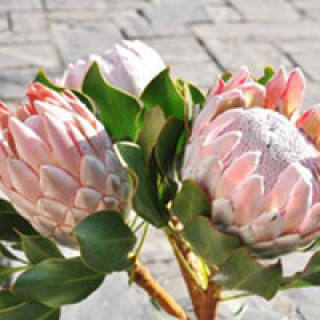
From my perspective as a Protea, timing is everything. My growth cycles are intrinsically tied to the seasons. The ideal moment for you to take a cutting is during my active growth phase, which is typically from late summer through early autumn. At this time, my stems are semi-mature—they are not the soft, new growth of spring that would rot easily, nor the old, woody growth that is stubborn to root. This state is often called "semi-hardwood." The weather is still warm, which I enjoy, but the intense heat of midsummer has passed, reducing stress on both me, the parent plant, and the vulnerable cutting. Taking a cutting at this time gives the new plant the best chance to develop a strong root system before the cooler, slower-growing winter months arrive.
Please choose wisely. Look for a healthy, vigorous stem from this year's growth, about 10-15 centimeters long. It should be free from any signs of disease, damage, or flower buds. Flower buds will divert all energy into blooming, not rooting, dooming the cutting to fail. Using a sterilized, sharp knife or pruners is crucial; a clean cut minimizes damage and prevents the introduction of pathogens that could infect me. Make the cut just below a leaf node (the bump on the stem where leaves emerge), as this area is rich with the growth cells that will eventually form my new roots. Immediately place the cutting in a sealed plastic bag with a damp paper towel to prevent it from wilting; I am very susceptible to desiccation once separated from my main root system.
This step is non-negotiable for my kind. My stems contain natural inhibitors that make rooting a slow and difficult process. To overcome this, you must use a rooting hormone powder containing a fungicide. The hormone stimulates root formation, while the fungicide protects the vulnerable cut end from rot. Gently tap the cut end to remove excess powder. Then, plant me in a very specific medium: a mix of coarse silica sand and perlite or a well-draining, low-phosphorus propagating mix. My roots are extremely sensitive and require exceptional drainage and aeration to breathe; they will quickly rot in standard potting soil. Make a hole with a dibber, insert the cutting deep enough to support itself (about 4-5 cm), and firm the medium around it.
Now, you must replicate my preferred natural conditions: warm air, cool roots, high humidity, and bright, indirect light. Place my pot in a warm, bright location but out of direct, harsh sunlight, which will cook me. The key is to maintain high humidity around my leaves while the roots develop. This is best achieved by placing a clear plastic bag over the pot or using a propagation dome. This creates a miniature greenhouse, reducing water loss from my leaves. Ensure the plastic does not touch the foliage. Keep the growing medium slightly moist, but never soggy. My roots are developing in search of water, but if they are drowned, they will perish. Patience is essential; it can take anywhere from six weeks to several months for me to establish a sufficient root system to survive on my own.