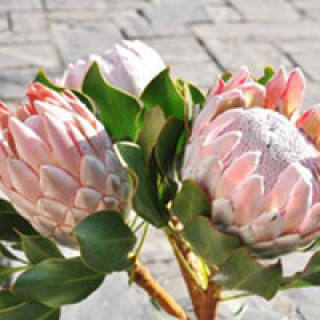
Hello, human caretaker. I am your Protea, a proud and ancient being from the sun-drenched, well-drained slopes of South Africa. My roots are not like those of other plants; they are delicate, fungal-dependent, and fiercely independent. Repotting is a stressful but sometimes necessary event for me. To help us both, here is the guide from my perspective.
First, you must know I am a proteoid. My roots are fine, dense, and form a matted cluster designed to absorb nutrients in poor soil. They live in a symbiotic relationship with special mycorrhizal fungi. This fungus is my lifeline, my external digestive system. If you treat me like a common houseplant and disturb or replace this fungal network, I will struggle to feed myself and may perish. My soil is my sanctuary; it must be exceptionally well-draining, acidic, and low in phosphorus, which is toxic to me.
I will communicate my needs. Observe me. If my growth has visibly stalled for over a season, or if my roots are visibly circling the top of the pot or protruding desperately from the drainage holes, I am feeling confined. You might also notice that water rushes through my pot without absorbing, meaning the root mass is too dense or the soil is exhausted. These are my subtle cries for a slightly larger space, not a mansion. I prefer to be slightly pot-bound.
Please choose my new home wisely. Select a new pot that is only one size larger than my current one. A pot that is too large will hold excess moisture around my roots, which will cause them to rot—my greatest fear. Ensure it has excellent drainage holes. Now, for the most critical part: my soil. I require a specialized, acidic mix. A blend of coarse sand, peat moss or acidic potting soil, and fine bark chips or perlite is ideal. Do not use standard potting mix, and never, ever add compost or fertilizer high in phosphorus at this stage.
Water me lightly a day before the move to reduce stress. When it's time, be incredibly gentle. Tip the pot on its side and coax me out. Do not pull me by my stems. Once I am out, do not tease apart my root ball or wash the soil away. You must preserve the existing soil and fungal network around my roots. Any rough handling will sever my connection to the symbiotic fungi. Simply place my entire root ball, intact, into the new pot, which you have partially filled with the fresh acidic mix.
Gently fill in the spaces around my root ball with the remaining prepared soil. Do not pack it down tightly; a light tamp is all that is needed to provide support. Water me in thoroughly but gently with rainwater or distilled water to settle the new soil around my old root ball and eliminate air pockets. After this, place me in a sheltered location with bright, indirect light for a week or two. I need time to recover from the shock and for my roots to begin exploring their new boundaries without the added stress of intense, direct sun.