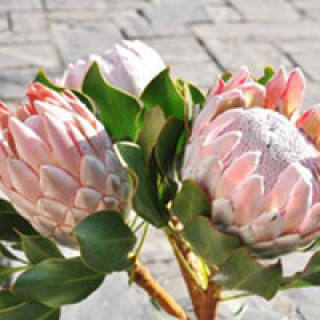
From our perspective as Protea plants, thriving in our native, well-drained, and often nutrient-poor soils, we are remarkably resilient. However, when cultivated outside our ideal conditions or when under stress, we become susceptible to a range of pests and diseases that can compromise our health and spectacular blooms. Understanding these threats is key to ensuring our longevity.
We face several insect adversaries that find our fleshy leaves and flower bracts particularly appealing. The most frequent invaders include aphids and scale insects. These sap-sucking pests cluster on our stems and the undersides of our leaves, draining our vital fluids. This not only weakens us but also leads to the growth of sooty mold, a black fungus that thrives on the honeydew they excrete, further inhibiting our photosynthesis. Another significant threat is the Protea Caterpillar (*Capys alphaeus*), the larva of a butterfly, which can rapidly defoliate us if left unchecked, severely impacting our energy reserves and ability to flower.
Our greatest vulnerabilities lie with fungal pathogens, especially those that thrive in damp, poorly drained, or humid conditions—environments we are not naturally adapted to. Root rot, primarily caused by *Phytophthora cinnamomi*, is our most devastating disease. This water mold attacks our root system, preventing water and nutrient uptake. The first signs you will see are wilting, yellowing leaves, and a general decline in our health, often leading to our death. Above ground, we are prone to leaf spot diseases and blight caused by fungi like *Botrytis cinerea* (grey mold). This fungus appears as a grey, fuzzy growth on our flowers and new shoots, particularly in cool, wet weather, causing buds to abort and blooms to rot.
While less common, bacterial infections can also pose a serious risk. Crown gall, caused by *Agrobacterium tumefaciens*, leads to the formation of large, rough tumors or galls at our crown or on roots, disrupting our vascular system and stunting our growth. Furthermore, we can suffer from various physiological disorders often mistaken for disease. Phosphorus toxicity is a critical issue; we are exceptionally sensitive to high levels of phosphorus found in many standard fertilizers. This toxicity manifests as chlorosis (yellowing) and necrosis (death) of leaf tips and margins, severely compromising our health.
Our best defense is prevention through excellent cultural practices. We require full sun, superb air circulation, and most importantly, perfectly drained, acidic soil. Overhead watering should be avoided to keep our foliage dry. Ensuring we are planted in a soil mix low in phosphorus and not over-fertilized is paramount to our well-being. Regular monitoring for early signs of pests allows for non-chemical interventions like a strong water spray or targeted organic treatments, preserving the beneficial insects that often help protect us.