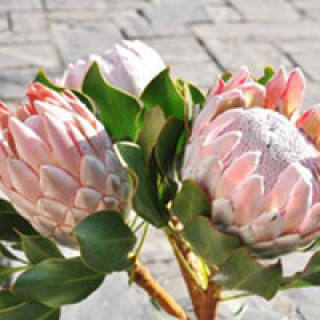
From our perspective as Proteas, the single most critical factor in your choice of pot and soil is drainage. We are natives of harsh, nutrient-poor, and well-drained slopes in South Africa and Australia. Our roots are highly specialized and have evolved to absorb moisture and nutrients rapidly, but they are also exceptionally susceptible to root rot. Soggy, waterlogged soil is a death sentence for us. It suffocates our roots, promotes fatal fungal diseases, and leads to a rapid and irreversible decline. Therefore, every choice you make must prioritize creating an environment where water flows through freely, never allowing our root ball to sit in moisture.
When choosing a pot for us, think "wide and shallow" rather than "deep and narrow." Our root systems are proteoid (surface-feeding) and tend to spread laterally rather than digging deep. A pot that is too deep creates a column of wet soil beneath our roots that we cannot access and that will inevitably stay too moist. A wide pot provides the room we need to expand naturally. The material is also crucial. Unglazed terracotta or clay pots are ideal because they are porous, allowing the soil to breathe and excess moisture to evaporate through the walls. If you choose a plastic or glazed ceramic pot, you must be even more vigilant with watering, as these materials retain moisture for much longer. Most importantly, whatever pot you select must have multiple, large drainage holes at the bottom.
Standard potting soil, compost, or manure are utterly unsuitable for us and will quickly kill us. They retain too much water and are far too rich in nutrients, particularly phosphorus, which is toxic to Proteaceae family plants. You must create a specialized, sharp-draining, and acidic growing medium. A perfect soil mix for us mimics our native, gritty soil. A proven recipe includes: a large portion of acidic potting mix (often labeled for camellias or azaleas), combined generously with coarse sand (not fine beach sand) and perlite or pumice to ensure aeration. A ratio of 2 parts acidic potting mix, 1 part coarse sand, and 1 part perlite is an excellent starting point. This creates a loose, open structure that provides physical support while allowing water to drain instantly and oxygen to reach our sensitive roots.
The act of potting us is the final piece of the puzzle. Ensure the drainage holes are clear. You may place a few stones or a piece of broken pottery over the holes to prevent soil washout, but avoid using a layer of gravel at the bottom of the pot, as this can actually create a perched water table and worsen drainage. Fill the pot with your prepared soil mix and position us so that the top of our root ball is level with the soil surface. Gently backfill and firm the soil around us. After potting, water us deeply to settle the soil, but then allow the top few inches of soil to dry out completely before watering again. This cycle of deep watering followed by a period of dryness is what our roots crave.