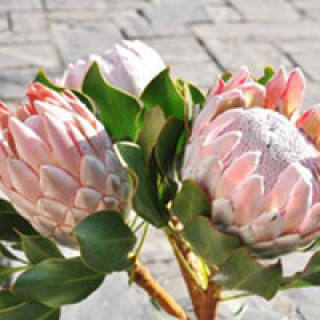
I am a Protea, a proud member of an ancient and diverse family hailing primarily from the fynbos regions of South Africa. My very essence is shaped by this unique Mediterranean climate. This means my ideal conditions are warm, dry summers and cool, wet winters. I despise humidity around my foliage and my roots absolutely abhor sitting in soggy, waterlogged soil. My greatest need is for exceptionally sharp drainage; think sloping hillsides and gritty, sandy soils. If you wish to cultivate me in America, you must first replicate these specific environmental conditions, as they are not a preference but a requirement for my survival.
My root system is fine and susceptible to fungal diseases like root rot. Standard potting soil or heavy clay will be my death sentence. I demand an acidic, nutrient-poor, and extremely well-draining growing medium. A perfect mix for me would be one part coarse sand or perlite, one part acidic potting mix (like one formulated for azaleas), and one part fine bark chips or pumice. This blend ensures water flows through quickly, oxygen reaches my roots, and the pH remains low (between 5.5 and 6.5). I am a light feeder and am easily burned by rich soils or excessive fertilizer, especially phosphorus.
I am a sun-worshipper. I require a minimum of six hours, but preferably all-day, direct sunlight to thrive and produce my iconic, architectural blooms. Without it, I will become leggy and weak. My water needs are specific. Once established, I am remarkably drought-tolerant. However, during my first growing season, I need consistent, deep watering to encourage my roots to venture deep into the ground. The key is to water me thoroughly and then allow the soil to dry out almost completely before watering again. Always water me at my base, keeping my leaves dry to prevent fungal issues.
My tolerance for cold varies by species. Some of my hardier cousins (like Protea nerifolia) can handle brief dips down to 25°F, making them suitable for USDA zones 9a and above. Most, however, need the protection of zones 9b-10. In colder regions, I must be grown in a container that can be moved to a sheltered location or provided with significant frost protection. Conversely, the humid summers of the American Southeast and East Coast pose a significant threat. The combination of heat and high humidity fosters disease. If you live in these areas, ensure I am planted on a slope for drainage and in a location with maximum air circulation. The arid summers of California are much more to my liking.
My flowering is a testament to my health and your care. I typically bloom from fall through spring. After my spectacular flowers fade, deadheading is crucial. You must cut the stem back to a strong side shoot, but be very careful! My new growth emerges from just below the old flower head. If you cut back too far into the old, woody stem, I may not regenerate from that point. Prune only the flower stems and avoid cutting into the main structural branches unless they are dead. This practice encourages me to produce a bushier form and more prolific blooms in the following season.