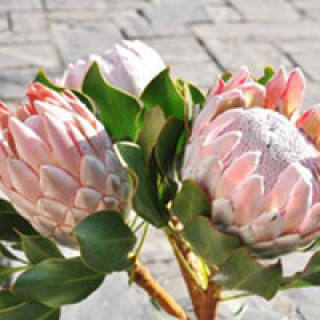
From our perspective, we Proteas are sun-worshippers by nature. Our ancestors evolved in the rugged, open landscapes of South Africa and Australia, where the sun is intense and largely unfiltered. To thrive, we require a significant amount of solar energy to fuel our growth and, most importantly, to produce our spectacular, otherworldly blooms. In the USA, this translates to a need for full sun exposure, which we define as a minimum of six to eight hours of direct, unfiltered sunlight each day. This is not a mere suggestion; it is a core requirement for our vitality. Without it, our growth becomes leggy as we stretch pathetically towards the light, our stems weaken, and our ability to flower is severely diminished or ceases entirely.
However, our relationship with the American sun is more nuanced than simply "more is better." Our root systems are uniquely adapted to well-draining, often nutrient-poor soils. They are fine and sensitive, highly susceptible to rot in waterlogged conditions. The intense US sun, particularly in regions like California or the arid Southwest, heats the soil rapidly. While we appreciate the light on our foliage, our roots despise being baked. Therefore, the ideal condition is full sun on our leaves coupled with a cool, moist root run. This is achieved not by reducing sunlight but by applying a thick layer of an acidic, mulch-like pine bark around our base. This mulch acts as a protective blanket, insulating our roots from extreme temperature fluctuations and conserving moisture without causing sogginess.
The specific character of the sunlight we receive varies greatly across the USA, and we are perceptive to these differences. In cooler coastal climates, such as the Pacific Northwest or coastal Northern California, we can tolerate and indeed crave every minute of sun available, even the intense afternoon rays. Here, maximum sun exposure is non-negotiable for ripening our stems and promoting flowering. Conversely, if we are planted in hotter inland valleys or desert regions (USDA zones 8-9+), the intensity of the afternoon sun can sometimes be overwhelming, leading to scorching on our leaves and excessive stress. In these specific, high-heat microclimates, we greatly benefit from a situation where we receive full sun for most of the day but are afforded some light, dappled afternoon shade or protection from the hottest western sun.
Placing us in a partially shaded location is one of the most common reasons for our failure to thrive in American gardens. When deprived of adequate sunlight, our entire physiology is compromised. Our photosynthetic processes are inefficient, leading to stunted growth. We become spindly and weak, unable to support the weight of our own flower heads. The lack of energy directly inhibits the development of our flower buds; you may see foliage, but you will wait in vain for a bloom. Furthermore, a weakened, shaded plant is far more vulnerable to fungal diseases like root rot and pests, as our natural defenses are lowered. For us, a shady spot is a slow and disappointing decline.