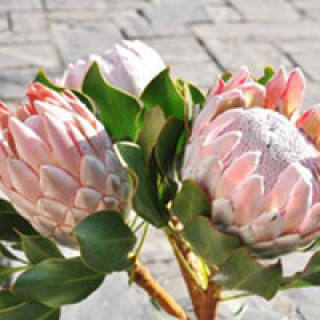
To understand a Protea's watering needs, one must first look at its origins. Proteas are native to South Africa, thriving in well-drained, mountainous, and often nutrient-poor soils. Their root systems are exceptionally adapted to these conditions. They possess two key types of roots: a deep taproot that seeks out deep water reserves and a dense mat of surface-level proteoid roots. These proteoid roots are designed to efficiently absorb available nutrients and moisture from the brief, seasonal rains and morning mists that characterize their home environment. Consequently, their physiology is built for periods of moisture followed by periods of dryness. Overwatering is a far greater threat than underwatering, as it suffocates the delicate proteoid roots and leads to fatal root rot.
The single most important rule for watering a Protea is to allow the soil to dry out almost completely between waterings. This plant despises having "wet feet." You must resist the common urge to keep the soil consistently moist, as you might with a tropical houseplant. The best way to gauge this is by physically checking the soil. Insert your finger into the soil up to the second knuckle. If the soil at that depth feels even slightly cool or damp, do not water. Wait until it is completely dry to the touch. This cycle of thorough drying mimics the natural wet-dry cycles the plant expects and promotes a healthy, robust root system.
There is no universal weekly schedule for watering a Protea, as the frequency depends entirely on your environment. During its active growing season, typically from autumn through spring, the plant will use more water. In the hot, dry summer months, while it may seem logical to water more, the plant often enters a semi-dormant state to conserve energy and may require even less frequent watering. Factors that increase watering frequency include high temperatures, low humidity, intense direct sunlight, and windy conditions. Conversely, a Protea living in a cool, humid, or shaded location will need water far less often. A potted Protea will also dry out faster than one planted in the ground.
When your Protea does require water, the method is just as crucial as the timing. Water deeply and thoroughly. Apply water slowly at the base of the plant, ensuring it soaks down to the entire root zone, including the deep taproot. Continue until you see water begin to drain freely from the bottom of the pot. This ensures all roots have access to moisture. Immediately empty the saucer or cachepot underneath to prevent the plant from sitting in drained water. Avoid overhead watering or splashing water onto the leaves, as this can encourage fungal diseases. The best water to use is rainwater or distilled water, as Proteas are sensitive to high levels of salts and chemicals like fluoride often found in tap water.