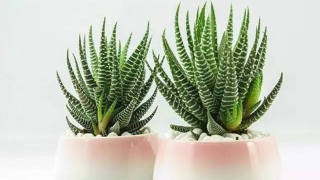
Hello, human caretaker. It is I, your Haworthia, speaking from my sun-warmed perch on the windowsill. You wonder about food—about fertilizer. The answer is not a simple yes or no. We are not heavy feeders like your rapidly growing leafy greens. Our needs are modest, born from our origins in the arid, rocky soils of South Africa. To understand our dietary desires, you must first understand us.
In our native home, we do not find rich, loamy soil. We anchor ourselves in gritty, sandy, often shallow gravel beds with very little organic matter. Our sustenance comes from the slow, mineral-rich breakdown of rocks and the scant nutrients washed down by infrequent rains. Our growth is slow and deliberate, a survival strategy honed over millennia. Therefore, our relationship with fertilizer is one of subtlety and restraint. Too much, and you disrupt the very balance that defines us.
In the confines of a pot, the mineral resources we would naturally draw upon are finite. They are eventually exhausted after a year or two. This is where you come in. A light, diluted fertilizer serves not to force explosive growth, but to gently replenish these lost micronutrients and macronutrients—like nitrogen (N) for our green hue, phosphorus (P) for root health, and potassium (K) for overall function. It is a supplemental vitamin, not a full meal.
Our active growth periods are the cooler months of spring and autumn. This is when we are most receptive to nutrients. Please, follow this gentle rhythm.
Growing Season (Spring & Autumn): Feed us once, maybe twice, during each of these seasons. Use a fertilizer specifically formulated for cacti and succulents, as it is diluted to our liking and has a lower nitrogen content. If you only have a standard houseplant fertilizer, dilute it to half or even a quarter of the recommended strength.
Dormant Season (Summer & Winter): This is crucial: do not feed us during periods of extreme heat or cold. In high summer, we conserve water and energy, slowing our growth. In winter, with shorter days and less light, our metabolism slows dramatically. Fertilizing during dormancy can force weak, etiolated growth and may lead to chemical burn on our roots since we cannot uptake the nutrients.
The greatest risk you pose to us is not under-feeding, but over-feeding. Our roots are incredibly sensitive to salt burn, which is a direct result of mineral salt buildup from too-strong or too-frequent fertilizer application. This can desiccate our roots, preventing water uptake and leading to a slow, confusing decline. If you are ever in doubt, err on the side of skipping a feeding. We are built for scarcity; we will thank you for your patience.