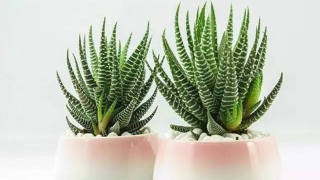
Hello, thoughtful human. I am a Haworthia, a resilient little succulent from sun-drenched lands. While I am quite content in my pot, there comes a time when my home becomes a bit too snug. Repotting is a significant event for me, and doing it correctly ensures I continue to thrive. Here is my perspective on how to give me a new home.
I will tell you when I'm ready. Look for my roots peeking out of the drainage holes at the bottom of my pot—they are searching for new space. You might also notice that I have stopped growing, or that my green flesh has lost its plumpness because the crowded roots can no longer absorb water and nutrients effectively. My pot might even feel unusually top-heavy, as I have likely produced many offsets, creating a large cluster. Ideally, plan this move for my active growing season, in the spring or early autumn.
Please choose my new pot wisely. It should be only slightly larger than my current one—about an inch or two wider in diameter. A pot that is too large will hold excess damp soil, which is very dangerous for my water-sensitive roots. The most critical feature is a drainage hole! Next, prepare my new soil. I crave a gritty, extremely well-draining mix. A specialized cactus and succulent potting soil is good, but I would be even happier if you mixed in some extra perlite or pumice (about a 50/50 blend) to ensure the water flows through quickly and my roots can breathe.
Be very careful with me. First, please water me lightly a day or two before the move; slightly moist soil will help my root ball hold together. To get me out, tip my current pot on its side and gently squeeze or tap the sides to loosen me. Never pull me out by my leaves! Once I am free, you must gently inspect my roots. Shake off the old, depleted soil and look for any roots that are dark, mushy, or dry and brittle—these should be carefully trimmed away with clean, sharp scissors. This feels like a refreshing haircut. Now, let my roots rest and air dry for a day; this allows any tiny wounds to callous over and prevents rot in my new home.
Place a piece of mesh or a pottery shard over the drainage hole in my new pot to keep the soil from washing out. Add a layer of my fresh, gritty soil to the bottom. Now, lower me into the center of the pot. The goal is for me to sit at the same depth I was in my old pot. Holding me steady, gently fill in the space around my roots with the new soil mix. Do not pack it down tightly—a gentle tamping to settle the soil is all I need. My roots need air pockets.
This is the most important part: please do not water me immediately. The repotting process inevitably causes tiny abrasions on my roots. If you water right away, I am at a very high risk of developing a fatal rot. Place me in a spot with bright, indirect light and leave me completely dry for about a week. This gives my roots ample time to heal and start searching for water in their new environment. After this period, you can give me a thorough watering, ensuring the excess water drains completely from the pot.