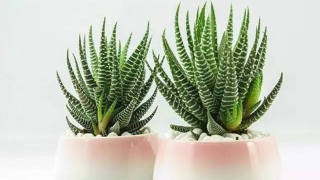
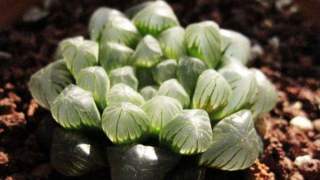
From my perspective as a Haworthia, my watering needs are specific. My roots and leaves are adapted to store water, making me highly susceptible to overwatering. When I receive too much water, my roots cannot breathe. They begin to suffocate and rot in the soggy soil. This root rot prevents me from absorbing water and nutrients effectively, causing my lower leaves to turn soft, mushy, and yellow or brown as they essentially drown from the bottom up. Conversely, if I am severely underwatered for an extended period, I will begin to use all the moisture stored in my leaves. This causes them to shrivel, become crispy, and turn a brown or reddish color as a desperate signal of my dehydration stress.
My native habitat is one of bright, indirect light, often sheltered by other plants. When I am placed in direct, intense sunlight for too long, I experience sunburn. This damage manifests as brown, crispy patches or an overall red or purplish "tan" on my leaves. This color change is due to the production of anthocyanin pigments, which I create as a protective sunscreen to shield my inner tissues from excessive ultraviolet radiation. While a slight red hue can be normal and healthy under strong light, a deep, harsh color indicates I am under photoinhibition stress. On the other hand, if my light is too low, I may begin to etiolate, or stretch, becoming pale and yellowish as I lose my rich green chlorophyll in a futile search for a brighter light source.
The medium in which I grow is critical. I require exceptionally well-draining soil. Standard potting mix retains too much moisture around my roots, leading to the rot described above. A brown, mushy base is a clear sign of this fatal condition. Furthermore, if I have been in the same pot for many years, the soil can break down and become compacted, or my roots can become so pot-bound that they cannot function properly. This stress can also lead to discoloration, as I am unable to access the resources I need, causing leaves to yellow and die back.
Not all color changes are a cause for alarm. It is a natural part of my life cycle for the oldest, outermost leaves to gradually yellow, dry out, and turn brown as they are reabsorbed to fuel new growth. This is a slow, controlled process. Additionally, temperature fluctuations can influence my color. Exposure to cooler temperatures, especially in winter, can encourage me to produce more anthocyanins, resulting in a beautiful and harmless reddish or purplish blush. This is a normal physiological response and not a sign of distress.