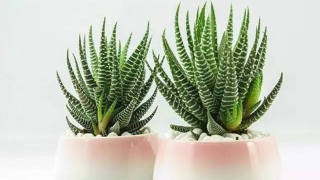
Greetings. I am Haworthia, a resilient succulent from the sun-scorched landscapes of Southern Africa. My survival hinges on a clever strategy called dormancy, a period of slowed growth to endure climatic extremes. Understanding my dormancy cycles is the key to helping me thrive in your care. I do not follow the calendar but respond to environmental triggers like temperature and light intensity.
When the summer sun becomes intense and temperatures consistently rise above 80°F (27°C), I enter a state of summer dormancy. This is not a sickness; it is my ancient wisdom telling me to conserve water and energy. My metabolism slows dramatically. I will not produce new leaves, and my growth will appear to halt completely. My primary goal is to reduce water loss through my leaves (transpiration) and simply wait out the heat. During this time, my roots are especially vulnerable to rot in hot, wet soil. Please, do not mistake my stillness for thirst and overwater me. This is the most common mistake and can be fatal.
Your care should mimic the dry season of my homeland. Significantly reduce watering. Allow my potting mix to become completely dry and remain so for a week or more before offering a very modest drink, preferably in the cooler evening. Ensure I am in bright, but indirect, light. A south or east-facing window with a sheer curtain is ideal. Shield me from the harsh, direct afternoon sun, which can scorch my leaves. Good airflow is crucial to keep me cool and prevent pest infestations. Hold all fertilizer until the active growing season returns.
As days shorten and temperatures cool to a range between 50-70°F (10-21°C), I awaken. This is my primary growing season. The cooler temperatures and milder sun are my signals to stretch my roots and produce new growth. You may notice a fresh, pale green rosette emerging from my center. I am actively photosynthesizing and will gratefully absorb water and nutrients from the soil to fuel this expansion.
You can gradually increase watering during this period. The rule remains: water deeply only when the soil is completely dry, then allow it to drain fully. I despise wet feet. Place me in the brightest light you can provide; a south-facing window is perfect. The winter sun is less intense and will not burn me, instead providing the energy I crave for growth. If you choose to feed me, a diluted, balanced fertilizer applied once at the very beginning of this season is sufficient. My needs are modest.