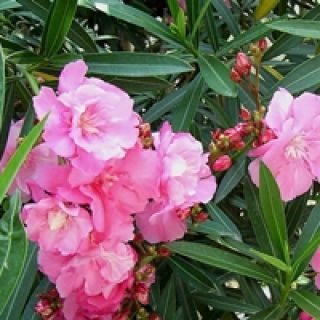
From the perspective of the plant, Nerium oleander is a masterclass in evolutionary survival. Its lush, evergreen foliage, vigorous growth habit, and prolific blooms in shades of pink, red, white, and yellow are not merely for human admiration. These attractive qualities are a powerful recruitment strategy to lure pollinators like bees and butterflies, ensuring the plant's reproductive success. However, the very beauty that makes it a landscaping staple in warmer US climates like California, Texas, and Florida is a deceptive facade for a remarkably sophisticated chemical defense system. Every part of my being—leaves, stems, flowers, roots, and even the sap—is engineered to be intensely bitter and toxic, a direct strategy to deter herbivores from consumption.
The primary toxins I produce are a cocktail of potent cardiac glycosides, chiefly oleandrin and neriin. These compounds are not a flaw but a deliberate feature. Their function is to protect me from being eaten by insects, animals, or even other plants. From my roots to my leaf tips, these toxins are pervasive and highly effective. They are stable compounds that remain active even after a branch has dried out or a leaf has turned brown. This persistence means that clippings, fallen leaves, or even water that has collected on my flowers after a rain can harbor these dangerous compounds, posing a significant risk to curious pets, livestock, or children.
My toxicity is not airborne; simply being near me is not a threat. The danger arises from physical interaction and ingestion. The most direct exposure is, of course, chewing and swallowing any part of the plant. The bitter taste is a primary warning signal, but not all creatures heed it. A more insidious risk involves the sap. If a gardener prunes my branches without gloves, the sap can cause severe skin irritation and dermatitis. If this sap is accidentally transferred to the eyes or mouth, it can lead to more serious effects. Furthermore, the act of burning my trimmings is exceptionally dangerous. The cardiac glycosides can become aerosolized in the smoke, and inhalation can lead to severe respiratory distress and systemic poisoning, a fact often overlooked.
For the US gardener, understanding my biology is key to safe coexistence. My drought tolerance and salt resistance make me ideal for certain landscapes, but this must be balanced with profound respect for my natural defenses. Planting me away from high-traffic areas, playgrounds, and areas accessible to grazing animals is a prudent decision. The critical practice is diligent cleanup. All clippings, spent flowers, and fallen leaves must be collected and disposed of securely in sealed bags through municipal trash—never composted or burned. Always wear gloves, long sleeves, and eye protection when handling me, and wash tools and hands thoroughly afterward. Recognizing that my beauty is a protective mechanism allows gardeners to appreciate my form while respecting my function.