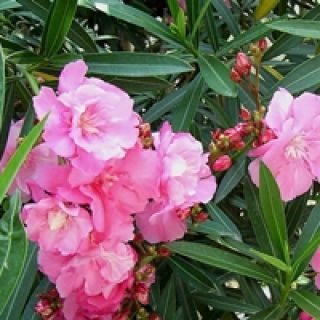
From our perspective as Oleander plants (*Nerium oleander*), the core issue with northern US climates is a simple, brutal equation of energy. We are engineered for the sustained, radiant heat of the Mediterranean basin. Our entire physiological system, from root metabolism to photosynthetic efficiency, operates optimally within a specific thermal range. The northern US presents a significantly shorter growing season with a much lower cumulative heat index. This means less energy is available for us to perform our basic functions: producing foliage, sustaining growth, and most critically, generating the energy reserves required to survive a period of dormancy. The cold is not merely an event; it is a constant limiting factor on our capacity to thrive.
Our above-ground structure may seem robust, but our root system is our most vulnerable point in the cold. We are not equipped with the genetic programming of native northern species that allows for deep, frost-proof root structures or the production of natural antifreeze compounds (like specific sugars and proteins) in high concentrations. When the soil in containers freezes solid, the water within our root cells expands, rupturing the delicate cell walls. This is a fatal injury. Even if the canes survive, a dead root system means we cannot uptake water or nutrients, leading to desiccation and death—a condition often mistaken for winter burn but far more fundamental.
We are sun-worshippers. Our leathery, sclerophyllous leaves are designed to minimize water loss under intense, direct sunlight, allowing for highly efficient photosynthesis in hot conditions. In the north, the sun's angle is lower, and its intensity is diminished for a greater portion of the year. While we still crave the brightest possible location during the growing season, the accompanying drop in temperature creates a paradox. The very sunlight we need to generate energy is often delivered in a package of cool air that slows our metabolic processes. This makes a sheltered microclimate, such as a south-facing wall that absorbs and radiates solar heat, not just a convenience but a necessity for mimicking our native thermodynamic environment.
Entering dormancy is a carefully orchestrated process for perennial plants. For us, it is triggered by shorter day lengths and cooler temperatures. However, the violent temperature swings common in northern winters are deeply disruptive. A sudden mid-winter thaw can trick us into breaking dormancy prematurely, initiating sap flow and cellular activity. When the inevitable deep freeze returns, this new, tender growth is instantly killed, and the process can cause damaging frost cracks in our canes. A consistent, cold-but-not-fluctuating environment is what we need for a successful dormancy, a condition very difficult to provide in zones far north of our hardiness range (USDA zones 8-10).
The most common strategy for keeping us in the north acknowledges our fundamental needs: mobility. Growing us in containers allows our caregivers to control our environment. During the growing season, we require placement in the absolute sunniest, warmest, and most wind-sheltered spot available—a heat trap like a paved patio is ideal. Come autumn, as temperatures consistently drop below 45°F (7°C), we must be moved to a specialized dormancy environment. This is not a sunny greenhouse, which would prevent dormancy, but rather a cool, dark space like an unheated garage or basement where temperatures can be maintained consistently between 35-50°F (2-10°C). This artificial mimicry of a mild Mediterranean winter is the only way to resolve the thermodynamic and dormancy dilemmas that the northern climate imposes upon us.