The term "deer-resistant" is not a guarantee but a spectrum of plant palatability. From a botanical perspective, deer resistance is typically conferred by physical or chemical adaptations that have evolved in plants as defense mechanisms. Physical deterrents include small, tough, or leathery leaves; thorns or spines; and fuzzy or hairy textures (trichomes) that are unpleasant to browse. More critically, chemical defenses involve the production of secondary metabolites like volatile essential oils, tannins, alkaloids, or resins that make the foliage taste bitter, aromatic, or even toxic to herbivores. A plant's placement on the "resistance" spectrum depends on the local deer population's pressure, seasonal food availability, and the specific traits of the plant itself.
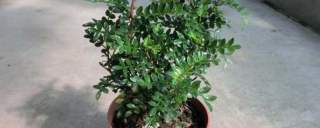
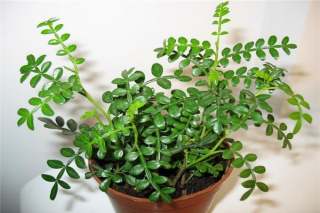
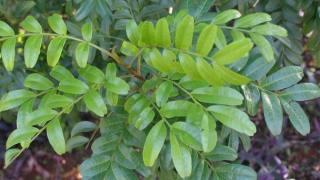
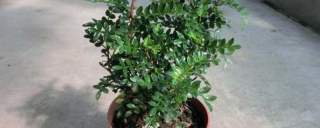
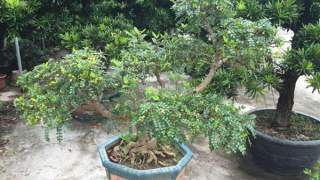
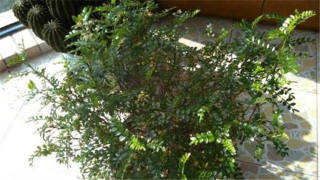
Pistacia weinmannifolia, commonly known as Chinese Pistache or Redblush Pistache, is a small deciduous tree or large shrub native to southwestern China and Myanmar. It is a member of the Anacardiaceae family, which includes other deer-resistant genera like Rhus (sumac) and Schinus (pepper tree). This species is prized in landscaping for its brilliant red fall foliage, attractive pinkish-red fruit clusters on female plants, and exceptional drought tolerance once established. Its leaves are pinnately compound, typically with 9 to 11 pairs of small, opposite leaflets. These leaflets are coriaceous (leathery) in texture and have a glossy surface.
Pistacia weinmannifolia exhibits several key characteristics that contribute to its status as a deer-resistant plant. Firstly, its foliage contains aromatic resins and compounds characteristic of the Pistacia genus. These volatile oils impart a strong, slightly turpentine-like scent when the leaves are crushed, which is highly unappealing to the sensitive noses of deer. Secondly, the texture of the mature leaves is notably leathery and tough, making them less palatable and more difficult to digest compared to the soft, succulent leaves of preferred browse plants like hostas or daylilies. While no plant is entirely safe under extreme hunger, the combination of its chemical makeup and physical leaf structure places Pistacia weinmannifolia very high on the list of deer-resistant landscaping choices.
This species shares its deer-resistant pedigree with its more common relative, Pistacia chinensis (Chinese Pistache), which is widely documented and recommended as a reliable choice for deer-prone areas. The resistance traits are consistent across the genus. For US landscapes, particularly in USDA zones 6-9 where it is hardy, Pistacia weinmannifolia serves as an excellent ornamental tree for xeriscapes, parkways, and properties bordering wild areas. It is crucial to note that very young trees or tender new spring growth might be occasionally sampled by curious deer, especially if other food sources are scarce. However, such browsing is rarely catastrophic and the plant typically outgrows this vulnerable stage quickly. For optimal establishment and to further deter any potential browsing, protective tree guards can be used for the first few seasons.