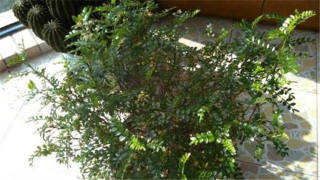
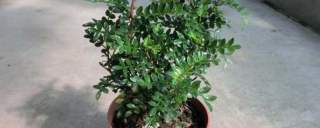
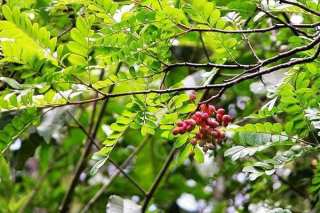
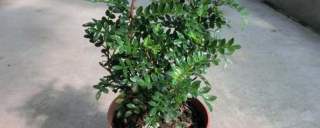
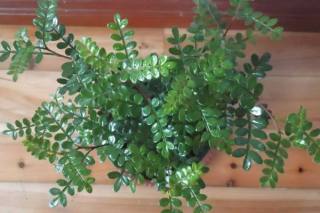
Pistacia weinmannifolia provides exceptional ornamental value throughout the growing season. Its foliage is a primary asset, featuring compound leaves with numerous small, narrow leaflets. This creates a fine, almost fern-like or lacy texture that adds a soft, sophisticated element to the landscape, offering a beautiful contrast to plants with broad, coarse leaves like hostas or rhododendrons. The seasonal color display is another significant advantage. The new spring growth often emerges with reddish or bronze tints, maturing to a rich green in summer. The plant truly shines in autumn when it puts on a spectacular show, with leaves turning vibrant shades of brilliant red, orange, and sometimes yellow, providing a fiery focal point in the fall garden.
This species exhibits a growth habit that is highly versatile for residential landscaping. It typically grows as a large, multi-stemmed shrub or a small, multi-trunked tree, generally reaching a manageable size of 10 to 15 feet in height and spread in an American yard setting. Its form is often rounded and densely branched, making it an excellent candidate for use as a specimen planting where its form and beauty can be appreciated from all angles. The multi-trunk structure also provides excellent winter interest after the leaves have dropped, adding an architectural element to the barren landscape with its interesting silhouette against the sky or a structure.
Once established, Pistacia weinmannifolia is remarkably resilient, making it an ideal choice for water-wise landscapes and regions experiencing hot, dry summers. It possesses a deep root system that allows it to efficiently seek out moisture and thrive with minimal supplemental irrigation. This high tolerance for heat and drought makes it a superior selection for xeriscaping, rock gardens, or slopes where watering is difficult or restricted. It is an excellent replacement for more water-dependent shrubs, contributing to sustainable gardening practices and reducing a yard's environmental footprint.
While not a major food source, the small fruits can attract certain species of birds and other wildlife to the garden, adding to the local ecosystem's biodiversity. The dense branching structure also offers shelter for small birds. Furthermore, this plant is notably trouble-free regarding pests and diseases, requiring little to no chemical intervention to remain healthy. It is generally hardy in USDA zones 7-9, tolerating a range of winter minimums. Its resilience extends to soil types, as it adapts well to poor, rocky, alkaline, or clay soils as long as they are well-drained, demonstrating an overall rugged and adaptable nature.
The plant's characteristics make it suitable for several specific uses in American yards. It serves as an outstanding specimen tree or shrub, perfect for anchoring a border or becoming a centerpiece in an island bed. Its dense growth habit also allows it to be planted in a row to form an informal, seasonal screen or hedge that provides privacy in the summer and opens up sight lines in the winter. Due to its tolerance for reflected heat and poor soil, it is a champion for parking strips, hellstrips, and patio areas. It can also be effectively used on slopes and banks for erosion control, where its root system will help hold the soil in place.