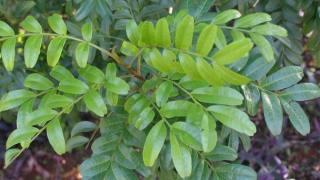
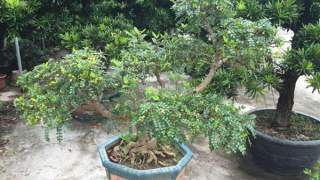
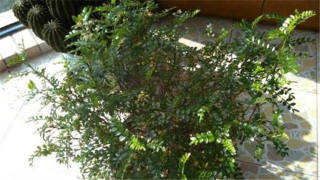
As a member of the Anacardiaceae family, I, Pistacia weinmannifolia, am a resilient and beautiful specimen, often admired for my graceful, pinnate leaves and adaptability. However, even I can face challenges when my needs are not fully met. For you, the US homeowner, to help me thrive, here is a detailed guide from my perspective on the problems I might encounter.
My roots are my foundation, and they demand well-draining soil. I am particularly susceptible to root rot, a silent and deadly condition caused by waterlogged soil. If my leaves begin to yellow, wilt, or drop unexpectedly, and the soil around my base is constantly soggy, this is likely the issue. Poor drainage suffocates my roots, preventing them from absorbing oxygen and nutrients, ultimately leading to my decline. To remedy this, ensure I am planted in a location with excellent drainage, perhaps on a slight slope or in a raised bed. Amending heavy clay soil with sand, gravel, and organic matter can create a much more hospitable environment for my root system.
I am a sun-loving plant, originating from environments with abundant sunlight. If I am planted in a location with too much shade, I will respond by becoming leggy as I stretch weakly towards the light, and my growth will be stunted with sparse foliage. My leaves may also appear less vibrant. Conversely, while I am drought-tolerant once established, prolonged periods of extreme dryness, especially for a young plant, cause immense stress. You will see this as leaf scorch—browning, crispy leaf edges—and premature leaf drop. I require deep, infrequent watering that encourages my roots to grow deep into the earth, making me more resilient.
Though I am generally robust, I can play host to certain pests. Aphids are a common nuisance; these small, soft-bodied insects cluster on my tender new growth and undersides of leaves, sucking my sap. This weakens me and causes leaves to curl and distort. Their feeding also excretes a sticky substance called honeydew, which can attract ants and lead to the growth of sooty mold. Another pest to watch for is scale insects, which appear as small, immobile bumps on my stems and leaves. A strong spray of water can dislodge aphids, while horticultural oils or insecticidal soaps are effective treatments for more severe infestations of both pests.
My foliage is a key indicator of my nutritional health. A lack of essential nutrients, particularly nitrogen (N) or iron (Fe), will manifest in my leaves. A general yellowing (chlorosis) of older leaves often points to a nitrogen deficiency, as this mobile element is translocated to support new growth. If the veins of my new leaves remain green while the tissue between them turns yellow, this is典型的 chlorosis and suggests an iron deficiency, which is often tied to soil pH being too high (alkaline), locking the iron in a form I cannot absorb. A soil test is the best way to confirm this before applying a balanced, slow-release fertilizer or a chelated iron supplement.