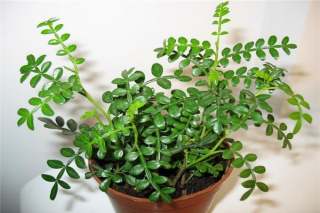
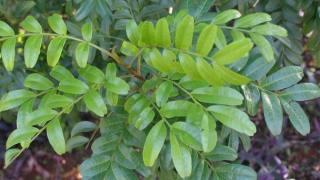
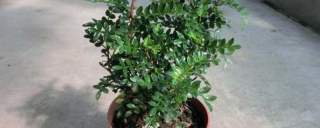
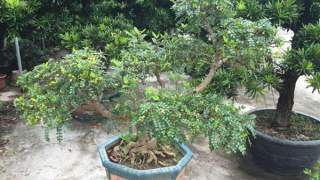
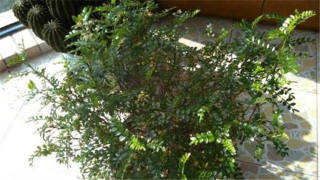
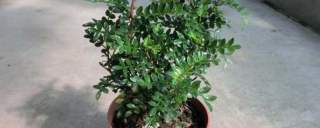
As a species, Pistacia weinmannifolia thrives in conditions that mirror its native habitats in Southwest China and neighboring regions. My fundamental requirements are a climate characterized by hot, dry summers and cool, but not severely freezing, winters. I am adapted to arid and semi-arid environments with low humidity, as high humidity can make me susceptible to fungal diseases. Crucially, I require a period of winter dormancy, triggered by a certain number of chilling hours (hours between 32°F and 45°F). This period of cold is essential for breaking dormancy and ensuring healthy bud break and flowering in the spring. Prolonged temperatures below 15°F (-9°C) can cause significant damage to my branches and root system.
Based on these climatic needs, the most suitable USDA Plant Hardiness Zones for my outdoor cultivation are Zones 7b through 10. Within this range, I can receive adequate winter chill without being exposed to extreme cold that threatens my survival. Zone 7b (5°F to 10°F) represents the colder limit of my tolerance, where I should be planted in a sheltered microclimate. Zones 8 and 9, with their milder winters and long, hot summers, are exceptionally well-suited. The warmer parts of Zone 10 may be suitable if the specific microclimate provides enough winter chill, though my dormancy requirements might not be fully met in the hottest areas.
The regions of the United States that most closely mimic my native ecology are the arid and semi-arid parts of the Southwest and West.
Southwest Deserts: Parts of Arizona, New Mexico, and West Texas (specifically the Trans-Pecos region and Hill Country) offer an excellent combination of high heat, intense sunlight, and low humidity. The well-draining soils and predictable dry summers are perfect. Elevations in these states that fall within Zones 8 and 9 provide the ideal balance of summer heat and sufficient winter chill.
California's Interior Valleys: The hot, dry interior valleys of California, such as the San Joaquin and Sacramento Valleys, provide a highly favorable environment. The Mediterranean climate, with its rain-free summers and cool, wet winters, aligns well with my growth cycle. I am also well-suited to the drier slopes of Southern California's coastal ranges, away from immediate ocean influence.
My root system is highly susceptible to rot in waterlogged conditions. Therefore, the absolute non-negotiable requirement is deeply dug, exceptionally well-draining soil. Sandy loam, rocky, or gravelly soils are ideal. I can tolerate poor, alkaline soils and am highly drought-tolerant once established. Furthermore, I demand full sun exposure—a minimum of six to eight hours of direct, unfiltered sunlight daily. This is necessary for photosynthesis, flower set, and developing my characteristic dense, shrubby form. Planting me in even partial shade will result in weak, leggy growth and poor health.