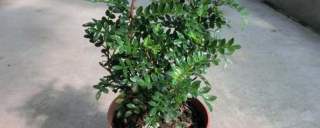
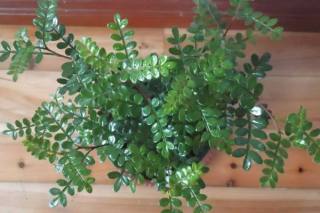
From my perspective as a Pistacia weinmannifolia, my survival depends entirely on the integrity of my root system. A mature specimen like me has an extensive, well-established root network that is both a lifeline and a vulnerability. The process must begin months in advance with root pruning. This involves making precise, clean cuts in a circular trench around my trunk, just inside the anticipated final root ball size. This is not an attack but a necessary strategy. It forces me to produce a dense network of new, fine feeder roots within the confined area, which will be crucial for efficient water and nutrient uptake after the move. This gives me time to adapt and compartmentalize the wounds, reducing the immense shock I will experience when finally severed from the earth.
The excavation is the most traumatic event of my life. Timing is critical; it should be done during my dormant period, typically in late winter or early spring before bud break, when my energy is stored in my roots and I am not actively growing. The dig must be deep and wide to encompass as much of the pruned root system as possible. My root ball must be massive—the general rule is 10-12 inches of ball diameter for every inch of trunk diameter. The soil moisture is vital; it should be moist enough to hold the root ball together firmly but not waterlogged. Once excavated, my root ball must be wrapped immediately in burlap and securely tied (a process called balling and burlapping) to prevent the soil from crumbling and to protect my delicate roots from desiccation and physical damage.
The transition from my original home to the new site must be swift and gentle. Any jostling can fracture the soil ball and sever my vital roots. Upon arrival at the prepared new location, I need to be placed into a planting hole that is at least twice as wide as my root ball but no deeper. It is imperative that I am planted at exactly the same soil level as I was growing before; planting too deep will suffocate my root collar and lead to fatal rot. The backfill soil should be native and of a similar texture to my original soil to encourage outward root growth. It must be filled in carefully around me and gently tamped to eliminate large air pockets, which would cause my roots to dry out.
My recovery depends entirely on consistent aftercare. I will be in a state of severe shock, with a drastically reduced root system unable to support my full canopy. Immediate and thorough watering is essential to settle the soil around my roots and provide moisture. However, the soil must be well-draining to prevent fatal waterlogging. I will likely need to be staked for stability, but the supports should allow for some gentle movement to encourage new root growth and trunk strength. For the first few years, I require meticulous irrigation, especially during dry periods, as my new roots explore the surrounding soil. A layer of organic mulch around my base (but not touching the trunk) will help conserve moisture, regulate soil temperature, and suppress weeds. Pruning should be minimal and only to remove damaged or dead branches; I cannot afford to lose the energy-producing foliage I have left.