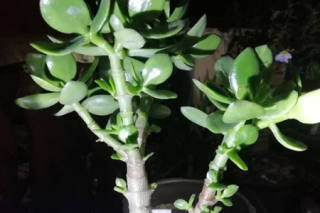
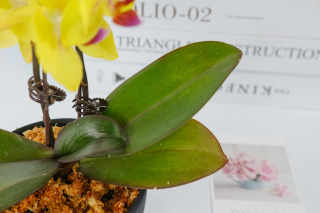
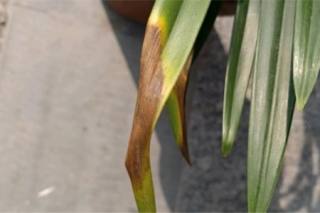
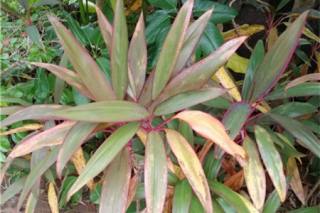
In order to grow normally, it is very important to grasp the water content. Too little water, too dry basin soil, resulting in the duck foot leaves drooping off. Too much water, too wet basin soil, blocked root respiration, easy to rot roots, leading to yellow leaves fall off.
Duck foot wood is a shade loving flower, usually placed in a bright place for maintenance. If it is placed in a dark place, it will affect the growth of duck foot wood and cause the leaves to turn yellow and fall off. But too strong light is also one of the reasons for leaf dropping. Duck foot wood is not suitable for growing in strong light. Even if the environment is changed, it needs to be carried out slowly. If it is moved from a place without sunshine to the sun, the situation of leaf dropping will be more serious.
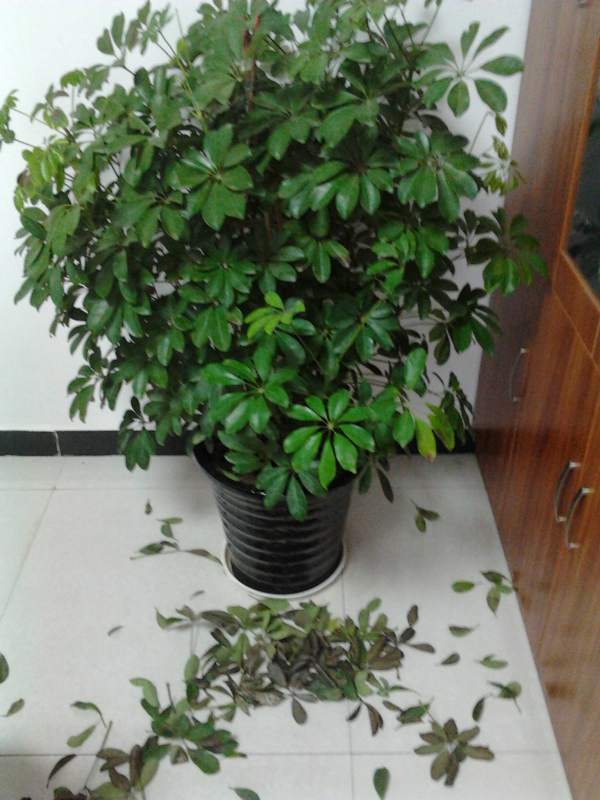
There is a certain demand for duck foot wood fertilizer, especially the lack of fertilizer during the growth period, which will cause the leaves to turn yellow and fall off. If careless application of raw and concentrated fertilizer causes root burning, leaves will also fall.
Duck foot wood is often attacked by diseases, such as leaf spot. When the disease occurs, the leaves will appear brown spots, and when it is serious, yellow leaves and leaves will fall off.

During the growth period of duck foot wood, sufficient nutrients are needed. Once a week in summer, granular fertilizers such as nitrogen, phosphorus and potassium can be selected and applied after loosening the soil. From April to September, the diluted fertilizer and water should be irrigated once a month to ensure that the basin soil is rich in nutrients, and some elements should not be applied.
If too much fertilizer is applied, the duck foot wood can be removed from the basin, washed with clear water for several times, and then soaked in clear water. After the leaves are restored, replace with new soil and plant again.
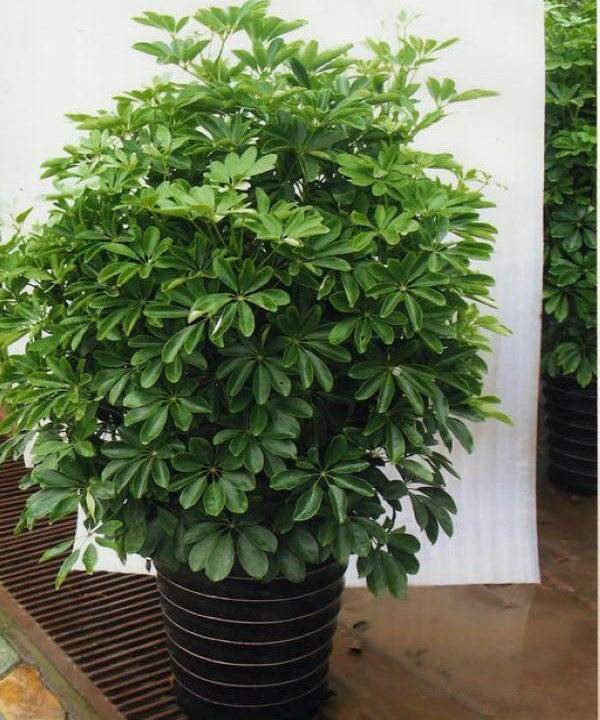
When watering, pay attention not to pour too much water, and keep the basin soil moist. Water once every 3-4 days in spring, summer and autumn, but less in winter. When the air is dry, water is often sprinkled on the leaves to increase the humidity.
Duck feet like shade. They can grow normally as long as they are placed in bright light. In addition to winter, the plants can be placed outside or near the window for maintenance to avoid strong direct light and ensure enough scattered light. In winter, move to the place where the sun shines indoors, and increase the temperature appropriately.
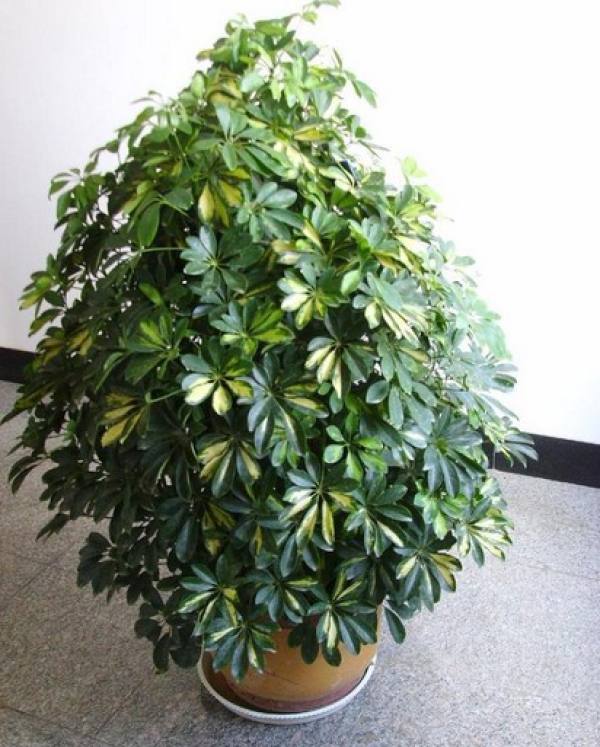
At ordinary times, it should be carefully maintained and ventilated in time, and the diseased leaves and yellow leaves should be removed in time. Fungicides can be prepared at home and sprayed once a month after dilution, which can effectively prevent the occurrence of diseases and insect pests.